


Golf headcover materials shape durability, weather resistance, structure, and style. Leather usually feels the most premium and lasts the longest with care. Knit and wool offer classic character. Neoprene shines in wet weather. Synthetic options vary widely, so build quality matters. The best choice depends on how often you play, your climate, and the look you want in your bag.
If you are sorting through Golf Headcovers, material is one of the smartest places to start. This guide compares leather, knit, neoprene, wool, and synthetic options. It also shows how premium materials can change both performance and presentation, so you can choose with more confidence.
Why Golf Headcover Materials Matter
A golf headcover has two core jobs. First, it protects the clubhead from impact, scratches, and cosmetic wear. Second, it adds visual character to your setup. Golf headcover materials influence both results.
Leather is often the top choice for structure, premium feel, and long-term durability. Knit and wool feel softer and look more traditional. Neoprene is practical, flexible, and weather-friendly. Synthetic golf headcover materials vary the most. Some are affordable and useful, while others look stiff or wear out faster.
If you are still narrowing down your priorities, this companion guide on how to choose golf headcovers can help frame fit, club type, and protection needs before you focus on material alone.
For readers interested in category-wide options, Ace of Clubs also organizes its broader Golf Headcovers and related Golf Accessories collections by style and use case.
Golf Headcover Materials Compared
Leather golf headcovers set the standard for a refined look. Genuine leather usually holds shape better than fabric-based covers. It also resists surface wear well and develops character over time. Higher-end leather covers often feel more substantial in hand and pair naturally with luxury bags and classic club setups. The tradeoff is price. In addition, leather needs occasional care to stay supple.
Knit golf headcovers appeal to golfers who want a lighter, more relaxed, heritage-style look. They are often easy to slide on and off. Many players also enjoy the texture and color range. Their main weakness is structure. Knit can stretch, snag, or lose crisp shape more quickly than leather, especially with frequent trunk storage or wet-round use. Readers focused on this category can explore more on Knit Golf Headcovers.
Neoprene golf headcovers usually prioritize function over form. The material is flexible, soft, and often well suited to damp conditions. It can cushion light contact well. However, it rarely delivers the same visual depth or tailored look as premium leather. Some golfers also find neoprene less distinctive in a premium bag setup.
Wool headcovers, including felted or woven versions, sit close to knit in style appeal but can feel more substantial depending on construction. They often look warm and traditional. Their weakness is moisture sensitivity and wear at high-friction points unless reinforced.
Synthetic headcovers are the broadest group. They may mimic leather, use performance textiles, or blend multiple materials. Some are practical and affordable. Others can crease, crack, pill, or lose their finish faster than expected. With synthetic golf headcover materials, build quality matters more than the label alone.
Golf Headcover Material Details: Leather Grades, Synthetic Leather, and Linings
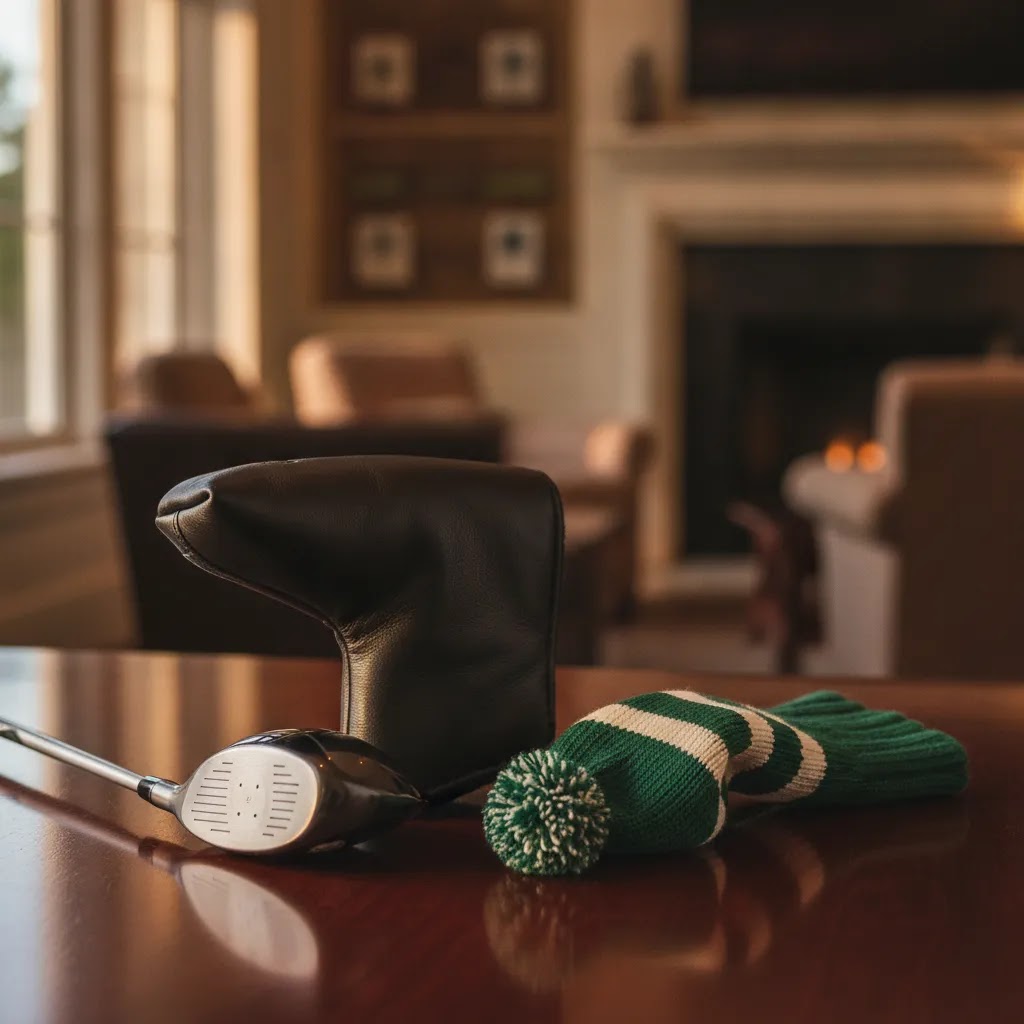
The label on a product page often tells you the category, but not the quality. Two headcovers can both be described as “leather” or “synthetic leather” and still perform very differently. The difference often comes from the exterior grade, the lining, and the reinforcement around the opening.
Golf headcover materials in leather: full-grain vs top-grain vs genuine leather
If you are shopping premium covers, these are the terms you will see most often. They are not perfect predictors on their own. However, they usually point you in the right direction on structure, scuff resistance, and long-term aging.
- Full-grain leather: Typically the most durable “traditional” leather option because it keeps the outer grain layer intact. In real use, it often resists surface wear well and tends to develop patina rather than looking worn out quickly. It can show natural markings, which many golfers view as a positive.
- Top-grain leather: Usually a step down in terms of “natural surface,” because it is commonly sanded or corrected for a more uniform look. It can still be excellent, and it often looks very clean and consistent, but the long-term aging character may be different than full-grain.
- Genuine leather: This term causes confusion. It indicates the material is real leather, but it does not specify grade. Some genuine leather products perform well, while others may be made from more processed layers and can feel thinner or less structured. It is smart to look for thickness, stitching quality, and lining details rather than relying on the phrase alone.
With leather headcovers, the weak point is often not the leather panel itself. More often, the opening stretches, the seams separate, or the lining breaks down from friction and repeated use.
Golf headcover materials in synthetic leather: what PU and vinyl mean
Synthetic leather is often polyurethane (PU) or vinyl-based material made to mimic leather at a lower cost. The upside is consistency, lower maintenance in some cases, and often better initial water resistance than untreated leather. However, many synthetic leathers fail in predictable ways over time.
- Cracking along fold lines or at high-flex points, especially near the opening where the cover bends repeatedly.
- Peeling or flaking of the outer coating, which can happen after heat exposure, trunk storage, or heavy abrasion against other clubs.
- Permanent creasing that changes the look quickly, even if the cover still “works.”
That does not mean synthetic leather is always the wrong choice. It can work well for occasional golfers, backup sets, or golfers testing a style before spending more. The key is to treat it like a material with a shorter lifespan in high-stress conditions. This matters even more if you play in heat, leave gear in a car, or want a crisp shape for years.
The inside matters too: linings, closures, and reinforcement
Protection works as a system. The exterior is only one layer. The lining also affects scratch protection, moisture handling, and ease of use.
- Lining types: Fleece, faux fur, and microfiber are common. Softer linings can help prevent cosmetic wear on a driver crown or a putter finish. Microfiber often feels smoother and may shed less than bulkier faux fur, but performance depends on thickness and build quality.
- Reinforced openings: Ribbed knit socks, elastic bands, and reinforced collars help a cover stay on without fighting you every time you pull a club. Weak openings are a common reason covers get loose, fall off in a cart, or start looking sloppy.
- Stitching and seam design: Tighter stitching, clean seam finishing, and reinforcement in high-friction areas usually matter as much as the material category. If a cover is going to fail early, it often happens at the seam or opening first.
If you want a headcover that feels premium in daily use, pay attention to the materials within the material. The exterior sets the look, but the lining and reinforcement often decide how long that look lasts.
For a broader premium setup, these details often pair naturally with a luxury golf bags guide. You can also compare the bigger picture in our article on what is luxury golf.
Quick Comparison Table for Golf Headcover Materials
| Material | Durability | Weather Resistance | Look | Typical Feel | Best For |
|---|---|---|---|---|---|
| Leather | High | Moderate to high with care | Premium, structured, polished | Substantial and tailored | Golfers who want luxury and long-term value |
| Knit | Moderate | Low to moderate | Classic, relaxed, heritage-inspired | Soft and flexible | Players who prefer lightweight traditional style |
| Neoprene | Moderate | High | Sporty, functional | Stretchy and cushioned | Wet climates and practical everyday use |
| Wool | Moderate | Low to moderate | Textured, vintage-leaning | Soft with natural texture | Golfers who value classic aesthetics |
| Synthetic | Varies widely | Moderate to high | Ranges from basic to polished | Depends on construction | Budget-focused or mixed-use buyers |
Specialty Golf Headcover Materials: Waxed Canvas
Waxed canvas appears often in more utilitarian headcover designs because it fills a useful middle ground. It can look classic and rugged. It also handles drizzle and wet grass better than standard canvas. As a result, it can be easier to live with than wool or knit in damp conditions.
In performance terms, waxed canvas is not better than leather across the board. It can, however, be a smarter choice for certain climates and habits, especially if you want water resistance without going fully sporty with neoprene.
Why waxed canvas is appealing in wet weather
Waxed canvas is usually cotton canvas treated with wax to increase water resistance. In light rain or persistent humidity, it may shed moisture and mud better than untreated fabric. It also tends to hide small scuffs and dirt in a way that still looks intentional. That is one reason it fits a heritage utility aesthetic so well.
Practical tradeoffs vs leather and knit
- Abrasion at high-friction points: Canvas can wear at contact areas, especially near the opening and along edges that rub against other clubs. Many well-built versions address this with reinforced panels or heavier canvas weight.
- Wax transfer: Depending on the finish and temperature, wax can sometimes transfer lightly to hands or adjacent fabrics. It is not always an issue, but it is worth knowing if you prefer a very clean, dry-touch feel.
- Break-in and structure: Waxed canvas often starts stiffer, then softens with use. Structure is commonly created through liners, internal panels, or reinforced openings rather than the exterior alone. If you want a crisp, tailored silhouette, leather typically holds that look more naturally.
- Not as stretch-friendly as neoprene: It usually will not flex around oversized shapes the way neoprene can, so fit and patterning matter.
Who waxed canvas suits best
Waxed canvas tends to fit golfers who play in rainy or coastal climates, walk frequently, or want a cover that can take real use without looking overly sporty. It is also a strong fit if you like rugged function, earth tones, and a more understated look.
Product Examples in Premium Leather
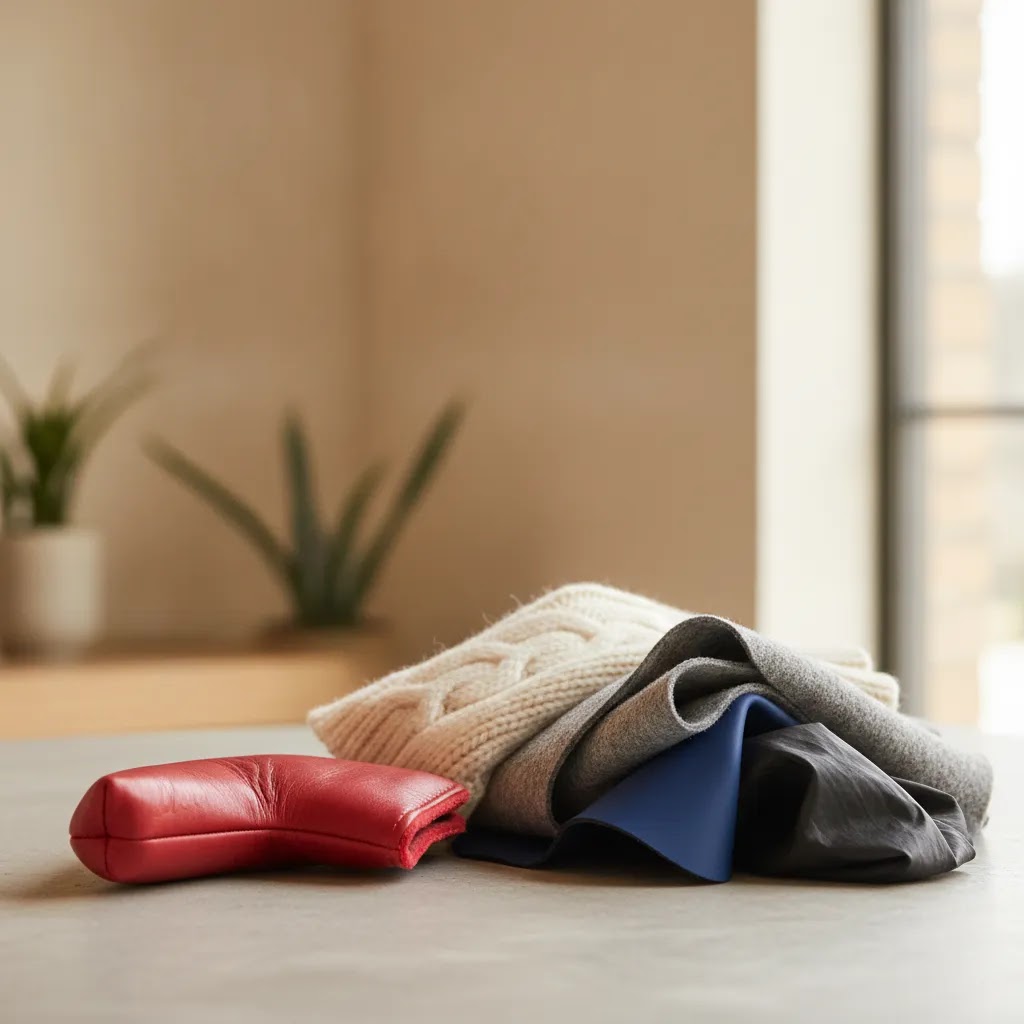
The products below show how leather works across different headcover types. They are not the only valid choice in the market. However, they are useful real-world examples of how premium golf headcover materials can change both durability and visual finish.
AMATEUR DRIVER HEADCOVER
Price: $100.00
This limited edition driver headcover uses baseball glove leather, a material known for a soft hand feel and a broken-in character that still holds up well under regular use. For golfers comparing golf headcover materials, this kind of leather delivers more visible structure and a richer finish than most textile alternatives.
- Strong visual presence for a driver slot
- Leather typically resists cosmetic wear better than knit
- Premium look without entering the highest price tier
- Suitable for golfers who want a balance of style and durability
- Less casual-looking than knit, which may not suit every bag style
- Leather may need occasional care in very dry conditions
- Limited edition styling may not match every set
RUBY LEATHER CUSTOM PUTTER HEADCOVER
Price: $170.00
This custom putter headcover highlights one of leather's biggest advantages: clean presentation on a club that players handle constantly. Putter covers see frequent removal and replacement. As a result, a structured exterior can help the cover keep a polished appearance over time.
- Refined leather finish suits premium putter setups
- Custom format adds personal appeal
- Leather generally holds shape better than soft knit constructions
- Good fit for golfers who value bag presentation
- Higher price than many basic fabric putter covers
- Leather can show use differently than synthetic materials
- Visual style is more formal than sporty neoprene options
WHISKEY ALLIGATOR CUSTOM WOOD HEADCOVER
Price: $170.00 - $578.00
This custom wood headcover leans heavily into luxury styling. In a golf headcover materials comparison, embossed or alligator-style leather surfaces usually stand out for visual depth rather than subtlety. Therefore, they are especially attractive for golfers building a coordinated premium bag.
- Distinctive texture creates a high-end look
- Custom wood format suits golfers curating a matching set
- Leather offers stronger structure than most knit or wool alternatives
- Broad price range may fit different customization levels
- Price can rise well above standard headcover budgets
- Bold texture may feel too dressy for minimalists
- Luxury materials usually require more thoughtful care than simple synthetics
ONYX ALLIGATOR CUSTOM WOOD HEADCOVER
Price: $170.00 - $578.00
This option shows how black leather changes the overall look compared with brighter or more textured fabric choices. If appearance is your main concern, darker leather often reads cleaner and more understated than colorful knit patterns while still looking upscale.
- Elegant dark finish works with many bag colors
- Structured silhouette supports a premium overall look
- Useful example of leather's visual consistency over time
- Custom approach can suit golfers who want a cohesive set
- Premium pricing may not suit occasional golfers
- More style-forward than utility-first neoprene
- Black surfaces may show dust or light debris more readily
ONYX LEATHER HYBRID HEADCOVER
Price: $125.00
This hybrid headcover is a practical example of leather used on a smaller club category where golfers often want durability without excessive bulk. For many players, hybrid covers are a smart place to invest in premium material because they see steady use yet remain relatively compact and manageable.
- Good midpoint between premium appearance and price
- Leather construction can outlast many lower-cost textile options
- Black finish pairs easily with mixed club setups
- Hybrid-specific format supports a coordinated bag without overspending
- Still pricier than many synthetic hybrid covers
- Not as soft or casual-looking as knit styles
- Leather ownership may involve occasional maintenance
Pros and Cons of Golf Headcover Materials
Strengths
- Leather usually offers the best mix of structure, longevity, and premium appearance.
- Knit and wool provide a classic, traditional look that many golfers still prefer.
- Neoprene is often practical for damp conditions and frequent play.
- Synthetic materials can offer lower pricing and broad style variety.
- Material choice lets you prioritize either polished aesthetics, weather function, or value.
Considerations
- No single material is best for every golfer, climate, or bag style.
- Premium leather usually costs more upfront than knit, neoprene, or entry-level synthetic options.
- Knit and wool may show stretching, snagging, or moisture wear sooner with heavy use.
- Some synthetic covers look better online than they do in person, so construction quality matters.
Who Each Golf Headcover Material Suits Best
Leather is usually best for golfers who want a polished bag, stronger long-term durability, and a material that ages with character. Knit suits players who value tradition, lighter weight, and softer texture more than rigid structure. Neoprene fits golfers who care most about convenience, flexibility, and weather resistance. Wool appeals to those who want vintage texture and warmth in the look of their setup. Synthetic covers often make sense for beginners, backup sets, or golfers testing styles before spending more on premium materials.
If you want a coordinated look across the top of the bag, our guide to golf headcover sets can help you think through matching driver, wood, and hybrid covers.
How to Choose the Right Golf Headcover Materials

Match golf headcover materials to how often you play
Start with frequency of play. Frequent golfers put repeated stress on seams, openings, and exterior surfaces. If your clubs travel often, ride in and out of the car, or rub together in the bag, leather makes a strong case because it tends to hold shape and appearance better over time.
Match golf headcover materials to your climate
Next, consider climate. In wet or humid conditions, neoprene and some synthetics may be easier to manage day to day. Leather can still perform well, but it benefits from drying after exposure. Wool and knit absorb moisture more readily, which can affect feel and appearance if you store them damp.
Match golf headcover materials to your style and budget
Then think about the look you want. Leather usually reads upscale and intentional. Knit looks more relaxed and classic. Wool can feel artisanal or vintage. Neoprene looks sporty and functional. Synthetic styles range from minimal to flashy, so quality control is often the biggest variable.
Budget matters too. The cheapest option is not always the best value if it loses shape quickly or needs replacing sooner. A more durable cover may cost more upfront but stay in service longer. This is especially true for driver and putter covers, which often see the most handling.
Match golf headcover materials to each club's role
Finally, match the material to club role. A premium driver cover can define the look of the whole bag, while hybrid or fairway covers may be where you balance style and spend. If you want a richer overview of silhouettes as well as fabrics, reviewing style differences alongside materials can help narrow the field faster.
Ace of Clubs is one useful place to study how premium leather headcovers are executed across driver, wood, putter, and hybrid categories. If you want examples rather than theory, their headcover collections make it easier to compare structure, finish, and visual consistency across different club types.
Care and Maintenance by Material (What to Do After Wet Rounds)
Material choice affects upkeep more than most golfers expect. The goal is simple: keep covers dry enough to avoid odor and mildew, prevent stretching and deformation, and avoid damaging finishes with heat. After wet rounds, it is worth taking a few minutes to do it right because trapped moisture is one of the fastest ways to shorten the life of any headcover.
For general care habits around moisture and mildew, the CDC mold guidance offers a clear reference point. For leather maintenance basics, the Leather Working Group is also a useful industry resource.
What to do right after a wet round (quick protocol)
- Remove headcovers when you get home, or as soon as you realistically can, instead of leaving them damp in the bag.
- Air-dry at room temperature with the opening facing outward so moisture can escape.
- Avoid direct heat sources like a heater vent, hair dryer, or prolonged sun through a window, because heat can warp synthetics and dry out leather.
- Do not store damp headcovers in a trunk or closed travel cover. Warm, closed spaces can accelerate odor and mildew.
Leather care: drying, conditioning, and avoiding stiffness
If a leather cover gets wet, pat it dry with a clean towel and let it air-dry naturally. Leather usually handles occasional moisture well. However, repeated wet-to-dry cycles can pull oils out of the hide and make it feel stiff over time.
- Drying: Air-dry at room temperature. If the lining is wet, open the cover as much as the shape allows to improve airflow.
- Conditioning: Condition as needed, especially if the leather starts to feel dry or looks dull. Over-conditioning can attract dust or soften structure, so light, occasional care is usually the safer approach than frequent heavy applications.
- Storage: Store in a cool, dry area. Long-term car storage can accelerate drying and may contribute to cracking in both leather and synthetic materials.
Knit and wool care: preventing stretching, odor, and visible wear
Knit and wool headcovers benefit from gentle handling. Moisture can cause them to hold odor, and frequent stuffing into a tight bag can encourage stretching.
- Drying: Air-dry fully before putting them back in the bag for long periods. If they are soaked, avoid wringing, which can distort shape.
- Pilling and snags: Pilling can happen with friction. A fabric shaver can help for pills, while snags are typically a permanent cosmetic issue. Keeping them away from sharp zipper edges and abrasive towel hooks can reduce damage.
- Shape retention: If a knit cover is loosening over time, rotating between two sets or using knit on lower-handling clubs can slow that process.
Neoprene care: easy drying, but watch trapped moisture
Neoprene is often forgiving, but it can trap moisture inside if the lining does not breathe well.
- Drying: Turn the opening outward and let it air-dry. If the inside is damp, leaving it off the club for a while is usually enough.
- Odor control: Odor typically comes from being stored wet. Consistent drying habits matter more than deep cleaning.
- Heat caution: Avoid leaving neoprene in high heat environments, because it can lose elasticity and feel permanently misshapen.
Waxed canvas care: keep the finish functional
Waxed canvas is usually water-resistant rather than fully waterproof. After rain, let it air-dry and brush off dried mud. If it starts absorbing water more quickly than before, it may need re-waxing depending on the specific fabric and finish.
- Cleaning: Spot-clean with a damp cloth instead of using hot water or aggressive detergents that may strip wax.
- Drying: Air-dry away from heat. Heat can soften wax and change how the surface feels.
- Transfer caution: If you notice wax transfer, avoid pressing it against light-colored fabrics during warm weather.
When synthetics should be replaced for protection
Synthetics vary widely, but there are a few practical signs that a cover may no longer protect as intended.
- If the opening has stretched and the cover slips off easily, especially in a cart or travel scenario.
- If the outer layer is peeling or cracking in a way that exposes rough backing material that could rub against a club finish.
- If the interior lining is worn through or matted so heavily that it holds grit, which can increase cosmetic wear on clubheads.
Frequently Asked Questions
What is the most durable material for golf headcovers?
Leather is often the most durable choice, especially for golfers who play regularly and want a cover that keeps its shape. Construction still matters, but quality leather generally handles friction and routine handling better than knit or basic synthetic materials. Neoprene can also hold up well in wet conditions, though it usually offers a different look and feel.
Is leather better than knit for golf headcovers?
Leather is usually better for structure, polish, and long-term wear. Knit is often better for a soft, traditional look and lighter feel. The right answer depends on what you value more. If you want a premium bag presentation, leather often wins. If you prefer a heritage aesthetic with a more casual feel, knit can be very appealing.
Are neoprene golf headcovers good?
Yes, neoprene golf headcovers can be a solid choice for golfers who prioritize flexibility, moisture resistance, and everyday practicality. They are often easy to handle and useful in damp weather. Their main drawback is appearance. Many players find neoprene more functional than elegant, so it may not satisfy golfers seeking a luxury presentation.
Do knit golf headcovers stretch out over time?
Knit headcovers can stretch over time, especially with frequent use or repeated exposure to moisture and friction. That does not mean every knit cover wears out quickly, but they generally do not hold crisp structure as well as leather. If shape retention matters to you, leather or a firmer synthetic may be the stronger long-term option.
Is wool different from knit in a meaningful way?
Yes. Wool refers to the fiber, while knit refers to the construction method. A wool headcover may be knit, felted, or woven depending on design. In practice, wool often brings a richer natural texture than standard synthetic knit materials, but it may still share similar downsides around moisture and long-term shape retention.
Which material looks the most premium?
Leather usually looks the most premium because of its surface depth, structure, and ability to age attractively. Embossed or textured leather can raise that visual effect even more. Wool can also look elevated in the right design, but leather remains the clearest choice for golfers who want a refined, luxury-forward look in the bag.
What is the best headcover material for wet weather?
Neoprene and some performance synthetics are often the easiest to manage in wet weather because they resist water well and dry quickly. Leather can still work in mixed conditions, but it benefits from more care afterward. Knit and wool are generally less ideal if your clubs are often exposed to rain and then stored without time to dry.
Should all my headcovers be the same material?
Not necessarily. Many golfers prefer a consistent set for appearance, but mixing materials can make sense. You might choose leather for the driver and putter, where presentation and handling matter most, and use more affordable materials elsewhere. The best setup is the one that fits your playing habits, climate, and visual preferences.
Are expensive leather headcovers worth it?
They may be worth it if you care about finish quality, long-term appearance, and a more tailored bag setup. For occasional golfers, the extra spend may not feel necessary. For frequent players who value craftsmanship and want covers that hold up well visually over time, premium leather often offers better long-run satisfaction than cheaper options.
What are golf headcovers usually made of?
Golf headcovers are usually made from leather, knit fabric, neoprene, wool, or synthetic materials designed to mimic leather or use performance textiles. Many covers also combine multiple materials, for example a leather exterior with a soft lining like fleece or microfiber, plus reinforced openings to help the cover stay secure.
What is the best material for custom golf headcovers?
Leather is a common choice for custom golf headcovers because it typically holds structure well, looks refined, and can keep a premium appearance over time. That said, the best option depends on your priorities. If you want lighter weight and classic style, knit can work well. If you play in frequent rain and want easy day-to-day handling, neoprene or certain synthetics may be more practical.
Is waxed canvas good for golf headcovers?
Waxed canvas can be a good headcover material if you want water resistance and a rugged look that still feels classic. It is often a smart pick for rainy climates and walking golfers. The tradeoffs are that it can show abrasion at high-friction points and may need occasional re-waxing to maintain water resistance, depending on the finish.
How do you clean and care for leather vs knit headcovers?
For leather, the safest approach is to wipe it clean, air-dry at room temperature if it gets wet, and condition lightly as needed to prevent dryness. For knit, air-dry fully after damp rounds, avoid wringing to reduce stretching, and address pilling gently if it occurs. In both cases, avoid storing headcovers damp in a trunk or closed bag for extended periods because trapped moisture can lead to odor and mildew.
Key Takeaways
- Leather is usually the strongest choice for durability, structure, and premium appearance.
- Knit and wool offer classic style but often give up some long-term shape retention.
- Neoprene is practical in wet weather and frequent-use situations.
- Synthetic covers vary widely, so build quality matters more than the label alone.
- The best headcover material depends on your climate, use frequency, budget, and style goals.
Conclusion
For most golfers comparing golf headcover materials, the best choice balances protection, durability, upkeep, and style. Leather usually leads for structure and upscale appeal. Knit and wool bring tradition and softness. Neoprene favors convenience and wet-weather practicality. Synthetic golf headcover materials can work well, but quality varies more from one product to the next. If you want to study premium leather examples across different club types, Ace of Clubs offers a useful reference point through its driver, wood, putter, and hybrid headcover lineup, especially for golfers who value craftsmanship and a more refined look.
This article is for general informational purposes only and reflects material-based observations rather than guarantees of product lifespan or performance. Durability may vary based on construction quality, frequency of use, weather exposure, storage habits, and maintenance. Product pricing and availability may change. Always review current product details before purchasing.


