


Leather golf bags are a meaningful upgrade when their construction suits your routine: they protect clubs in a substantial exterior, develop character over time, and look at home at a private club or a weekend destination course.
The upgrade is meaningful only if the bag’s construction supports your actual routine. A beautiful bag that is too heavy to carry, awkward on a cart, or poorly organized will not feel premium for long. This guide focuses on the quality markers that separate a worthwhile leather golf bag from one that is primarily expensive. For a wider view of useful equipment beyond bags, see our Best Golf Accessories for Men.
Leather Golf Bags at a Glance
-
Verdict: Worth the upgrade for golfers who value material character, thoughtful construction, and long-term ownership.
-
Best for: Cart golfers, club members, collectors, frequent travelers, and players building a coordinated premium setup.
-
Skip if: You walk most rounds and need the lightest possible stand bag, or you prefer maintenance-free synthetic materials.
-
Price: Premium leather bags typically cost substantially more than standard nylon or polyester bags, especially for custom work and exotic hides.
The best leather golf bags are not automatically the heaviest, flashiest, or most expensive. They earn their price through hide quality, consistent panel work, reliable hardware, practical storage, and a design that matches how you transport your clubs. A premium leather golf bag should feel intentional in the small moments: lifting it from the trunk, accessing a rangefinder, securing it to a cart, and putting it away after a wet round.
If you are still deciding between a stand, cart, or hybrid format, start with this foundational Golf Bag Guide. The bag type should be settled before you compare leather finishes or custom details.
Leather Golf Bags: Market Options and Materials

Premium golf bags are available in several formats: custom leather stand bags, cart bags, tour staff bags, and compact carry bags. The right category depends on whether you need a full-round bag, a practice companion, or a more substantial piece for riding carts and travel. A custom stand bag may suit golfers who want leather character with occasional walking capability, while cart and tour staff designs usually prioritize storage, larger top openings, and a more structured profile.

Examples you may encounter include the Ace of Clubs Custom Stand Bag, Custom Cart Bag, Custom Tour Staff Bag, and Cloud stand bag. Other premium options include Sunday Golf S-Class bags and Ghost Golf ANYDAY bags. These products can differ substantially in weight, storage, club capacity, stand design, and material construction, even when their pricing and visual presentation place them in a similar luxury category.

Many bags marketed as luxury are not made from full leather. Some use synthetic leather-look materials, mixed-material construction, or leather trim over a technical fabric body. Confirm the material composition before comparing prices or expecting a natural patina. Genuine leather can age with use and requires care, while synthetic materials may offer easier weather resistance and lower maintenance but will not develop in the same way.
Why Genuine Leather Changes the Ownership Experience
Leather has qualities that coated synthetic materials cannot fully duplicate. A genuine leather bag usually offers a richer hand feel, more depth in its finish, and a natural ability to develop a patina through use. Small marks, softening at touchpoints, and gradual color variation can become part of the bag’s character rather than evidence that it is worn out.
That distinction matters most if you see your bag as a long-term piece of equipment rather than a seasonal purchase. Full-grain leather, which retains the outermost layer of the hide, generally displays natural grain and may age attractively when properly cared for. Corrected or heavily coated leather can offer a more uniform look, but it may not develop the same depth over time.
Leather also brings real trade-offs. It generally weighs more than performance fabrics, can absorb moisture if neglected, and benefits from regular cleaning and conditioning. That makes it better suited to golfers who appreciate ownership and upkeep, not necessarily players who want the lowest-effort bag possible.
A black leather golf bag is usually the most versatile choice, pairing easily with most clubhead covers, apparel, and carts while disguising minor scuffs. A green leather golf bag makes a more expressive statement and can look exceptional with complementary details, though it may be less flexible if you frequently change the rest of your setup.
The Build Details That Reveal Quality
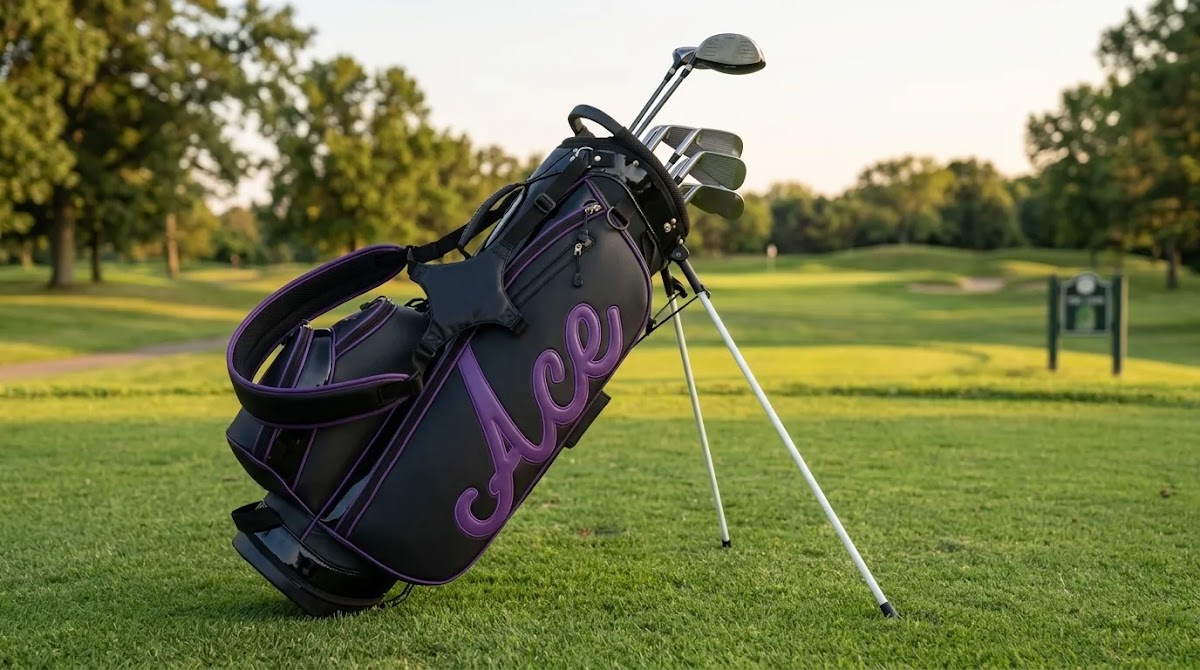
Material labels alone do not determine whether a leather bag is well made. Examine how the leather is selected, cut, supported, and finished. These are the features that tend to influence comfort, durability, and visual appeal years after purchase.
Hide selection and thickness
Look for clear disclosure that the bag uses genuine leather and, where applicable, full-grain leather. Good leather should feel substantial without being stiff or plasticky. Natural variation in grain is normal. Extremely uniform texture across every panel may indicate a heavily processed surface, although uniformity alone does not prove poor quality.
Panel alignment and stitching
Leather magnifies construction errors because every seam is visible. Seams should be straight, consistently spaced, and reinforced where the bag experiences stress, including shoulder-strap anchors, handle mounts, pocket openings, and cart-strap contact zones. Uneven stitching, loose thread ends, or puckered panels are warning signs at a premium price.
Hardware and contact points
Zippers, pulls, rivets, buckles, and D-rings are easy to overlook until they fail. Metal hardware should operate smoothly and feel secure. Pay particular attention to the top handle, strap attachments, and the base. These areas take the most repeated force during loading, unloading, and transport.
Interior protection
A luxury leather golf bag should protect clubs as carefully as it presents them. Check whether the divider arrangement keeps shafts organized, whether the top cuff feels adequately padded, and whether valuables pockets have protective lining. The exterior may be the visual centerpiece, but a poorly designed interior can make daily use frustrating.
Functional storage
Premium does not mean overloaded. A good layout gives you access to rain gear, balls, tees, gloves, a rangefinder, and valuables without forcing you to search through deep, unstructured pockets. If you use a push cart or riding cart, make sure the pockets remain accessible once the bag is strapped in.
Leather Golf Bags: Carry, Cart, and Hybrid Designs
The format determines whether the benefits of leather outweigh its added mass. A leather stand bag can work beautifully for golfers who carry selectively, such as on short courses, nine-hole rounds, or dry-weather resort trips. Still, the added material weight becomes more noticeable late in an 18-hole walk. Test the strap system and stand mechanism carefully before committing.
Cart bags are often the more natural home for a luxury leather golf bag. They can prioritize storage, a larger top opening, and a more substantial profile without asking your shoulders to manage the same load. If most of your rounds are played from a riding cart, a leather cart bag may deliver the strongest balance of appearance, organization, and comfort.
Hybrid bags sit between those two choices. They may include legs and carry straps while retaining enough structure for cart use. Their versatility is appealing, but hybrid designs can involve compromise. A bag built to serve every situation may be less comfortable for serious walkers and less capacious than a dedicated cart bag.
For a broader look at premium bag styles and their use cases, review our guide to Luxury Golf Bags. Focus on transport method first, then assess whether the leather construction supports it.
Leather Golf Bags: Capacity, Dividers, and Pocket Layout
Club capacity, divider count, and pocket layout determine whether a bag supports your usual round or creates unnecessary bulk. Compact carry bags designed for 4 to 6 clubs can work well for range sessions, par-3 courses, quick practice, and travel where space matters. Mid-size bags holding 6 to 8 clubs may suit golfers who want more shot options without carrying a full set. Full-size bags generally accommodate 10 to 14 clubs and make more sense for regular 18-hole rounds, particularly if you use a cart.
| Bag format | Club capacity | Best suited to |
|---|---|---|
| Compact carry bag | 4 to 6 clubs | Range sessions, par-3 courses, quick practice, and travel |
| Mid-size bag | 6 to 8 clubs | Golfers who want more shot options without carrying a full set |
| Full-size bag | 10 to 14 clubs | Regular 18-hole rounds, particularly with a cart |
Divider layouts matter as much as the stated club capacity. A simple two-way or three-way top may be sufficient for a compact carry bag, while a larger bag can benefit from more separation. Full-length dividers may reduce shaft crowding and make clubs easier to remove, although they can add structure and weight. Confirm whether dividers run the full length of the bag rather than assuming that a multi-way top provides full-length separation.
Evaluate the pocket layout with the items you actually carry. Look for apparel storage large enough for rain gear or an extra layer, a protected rangefinder pocket, an insulated pocket if you carry drinks, and a valuables pocket that is easy to access. Cart golfers should also confirm that the cart strap does not block key pockets. A bag that looks organized in a product photo may be less convenient once it is loaded with a full set, outerwear, balls, and everyday accessories.
Pros and Cons
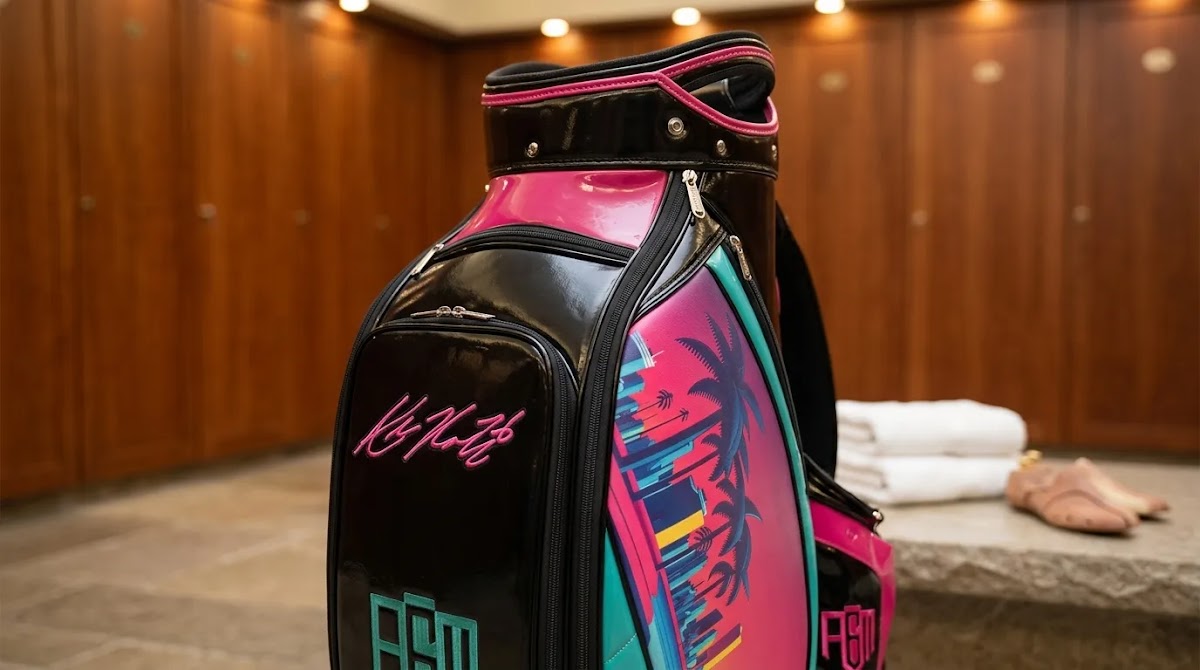
Strengths
-
Genuine leather offers a distinctive feel and visual depth that synthetic golf bags rarely match.
-
Quality leather may develop a personal patina instead of simply looking worn.
-
Premium construction can make a bag feel more substantial and considered at high-use contact points.
-
Leather bags can complement custom headcovers, scorecard holders, and belts for a cohesive setup.
-
Black, brown, tan, and green leather finishes can provide either quiet versatility or a more individual look.
-
A well-built leather bag may remain a satisfying long-term piece if it is stored and maintained correctly.
Considerations
-
Leather generally adds weight, which can be a drawback for golfers who walk 18 holes regularly.
-
Rain, humidity, heat, and improper storage can damage or discolor leather over time.
-
Premium pricing does not guarantee quality, so construction details need close scrutiny.
-
Leather requires periodic cleaning and conditioning, unlike many synthetic bags.
-
Some expressive colors and custom finishes may have less resale appeal than traditional neutral options.
Pricing and Long-Term Value
Leather golf bags belong in a different value conversation than entry-level bags. Their higher price reflects material cost, labor-intensive cutting and assembly, specialized finishing, and in some cases made-to-order or customized work. The right question is not whether leather is cheaper per round. It is whether the bag will remain useful, attractive, and enjoyable enough to justify its cost over many seasons.
Value improves when the bag fits your dominant routine. A cart golfer who uses the same bag several times a week may get far more satisfaction from a premium cart design than a walker who tolerates extra weight simply for the appearance. It also improves when the styling will remain relevant to you. A restrained black leather golf bag may suit years of changing apparel and club setups, while a bold color may be the better choice if it genuinely reflects your taste.
Do not treat expensive leather as a substitute for sound design. A premium leather golf bag with weak zippers, insufficient dividers, or inaccessible cart-side pockets is difficult to justify. Pay for the combination of material, construction, and utility, not the material label alone.
Leather can also create a more unified personal setup. A coordinated bag with a quality scorecard holder, headcovers, and an Exotic Leather Golf Belt can feel polished without needing loud branding.
Custom Leather Bags and Ordering Considerations
Custom leather bag pricing can vary widely because each choice affects materials and labor. Bag format, leather selection, color, hardware, embroidery, panel details, and made-to-order construction can all influence the final price. A compact custom carry bag and a full-size tour staff bag may share a similar visual language while requiring very different amounts of leather, internal structure, storage, and assembly work.
Confirm the specifications that affect daily use before ordering. Ask about club capacity, top opening, overall bag dimensions, empty weight, divider arrangement, pocket layout, stand function where applicable, and cart compatibility. If you use a particular push cart or riding cart regularly, make sure the bag can be secured properly and that the cart strap will not interfere with the pockets you need during a round.
Review every customization detail before production begins, including leather color, thread color, embroidery spelling, logo placement, hardware finish, and any selected accessories. Custom products may have different return, exchange, lead-time, and care considerations than in-stock bags. Review the seller’s current policies before purchase, particularly if the bag is made to order or includes personalized details.
How to Choose the Right Leather Bag

Start with your usual transportation
Be honest about how you play most often. For riding-cart golfers, a larger leather cart bag is usually the straightforward choice. For players who walk occasionally but still ride often, a hybrid may be workable. If you walk the majority of your rounds, compare the actual loaded weight before choosing leather over a lighter technical stand bag.
Inspect the areas that receive force
Look beyond the front-facing leather panels. Evaluate the base, top handle, strap anchors, stand hinges, zipper tracks, and cart-strap channel. These pieces determine whether the bag feels dependable after hundreds of lifts and cart rides. A premium finish cannot compensate for weak stress points.
Choose a color you will still enjoy later
Black is easy to pair and tends to conceal incidental marks. Brown and tan can emphasize natural grain and age gracefully. Green leather can create a memorable club-ready look, particularly when paired with subtle neutral accessories. Pick the color because it suits your own taste, not because it photographs well once.
Match storage to your habits
Count the items you use during a normal round: waterproof layer, snacks, hydration, rangefinder, gloves, balls, valuables, and practice accessories. Then make sure each item has a practical home. The bag should reduce small interruptions, not become another thing to manage.
Account for care before paying for premium leather
Leather ownership works best if you can keep the bag dry, clean it gently after dirty rounds, and store it indoors away from extreme heat and prolonged humidity. If that routine feels unrealistic, a premium synthetic bag may deliver better real-world value. Choosing the appropriate material is more rewarding than forcing a luxury purchase into an unsuitable routine.
For ideas on creating a refined setup around the bag, explore our selection of Luxury Golf Accessories and the broader Golf Accessories collection.
Leather Golf Bag Care Requirements Before You Buy
Leather’s longevity depends heavily on how it is treated between rounds. Remove loose dirt with a soft, dry cloth. If a spot needs more attention, use a leather-safe cleaner sparingly and test it on an inconspicuous area first. Excess water and aggressive household cleaners can stain, dry out, or alter the finish.
Allow a wet bag to dry gradually at room temperature. Avoid direct heat sources, prolonged sun exposure, and sealed damp storage. Do not leave the bag in a hot trunk for extended periods, especially during summer. Heat can dry leather and may affect adhesives, linings, and protective finishes.
Conditioning can help maintain suppleness, but more product is not necessarily better. Use a conditioner appropriate for the leather type and follow its directions. Exotic leathers, dyed finishes, and custom materials may have different requirements, so product-specific care guidance should always take priority. For broader leather-industry resources, visit the Leather Working Group.
Frequently Asked Questions
Are leather golf bags worth the upgrade?
They can be worth the upgrade if you value craftsmanship, material character, and a bag you plan to maintain for years. Leather is less compelling for golfers who prioritize minimal carry weight, play frequently in poor weather, or prefer gear that needs virtually no care. The strongest value comes from choosing a leather bag that fits your normal mode of play.
What is the difference between genuine leather and full-grain leather?
Genuine leather is a broad term indicating that a product contains real leather. Full-grain leather refers more specifically to leather that retains the outer surface of the hide, including its natural grain. Full-grain leather may develop a richer patina over time, while heavily processed leather often has a more uniform appearance and different aging characteristics.
Is a leather stand bag too heavy for walking?
It may be, depending on the bag’s construction and how much equipment you carry. Leather usually weighs more than nylon or polyester, and that difference becomes more noticeable over a full walking round. If walking is your primary format, check loaded weight, strap padding, balance, and stand stability rather than relying on appearance alone.
Is a black leather golf bag the safest choice?
Black is a practical choice because it pairs easily with most apparel and tends to make small marks less visible. It is not the only sensible option. Brown, tan, and green leather can look equally refined if they suit your style and you are willing to maintain the finish. The best choice is one you will enjoy using for years.
Can leather golf bags be used in the rain?
They can be used in light rain, but leather should not be treated as fully weatherproof unless the manufacturer specifically states otherwise. Use a rain hood, dry the bag promptly after the round, and avoid storing it while damp. Repeated soaking or extended moisture exposure can affect leather, linings, hardware, and stitching.
What should I inspect before buying a premium leather golf bag?
Check the leather description, seam quality, zipper action, hardware, shoulder straps, top cuff padding, base construction, and pocket access on a cart. Also confirm whether the bag is intended for carrying, cart use, or both. These practical details reveal more about long-term satisfaction than a dramatic exterior finish by itself.
How many clubs can a leather golf bag hold?
Capacity depends on the bag format and top design. Compact carry bags may hold 4 to 6 clubs, mid-size bags may hold 6 to 8 clubs, and full-size stand, cart, or tour staff bags typically accommodate 10 to 14 clubs. Check the stated capacity, divider layout, and top opening, especially if you use oversized grips or carry alignment sticks and training aids.
Are leather golf bags available as stand bags and cart bags?
Yes. Leather golf bags are available as stand bags, cart bags, tour staff bags, and compact carry bags. Stand bags can be useful for selective walking, while cart bags are usually better suited to larger storage needs and riding-cart use. The added weight of leather makes it especially important to compare strap comfort and loaded weight if you plan to walk regularly.
Are luxury golf bags made from real leather or synthetic leather-look materials?
Both are available. Some luxury bags use genuine leather, while others use synthetic leather-look materials, technical fabrics, or mixed-material construction. Product photography and premium pricing do not confirm the material. Review the manufacturer’s material description before purchasing if natural grain, patina, leather care, or long-term durability is part of your decision.
What should I confirm before ordering a custom leather golf bag?
Confirm club capacity, bag dimensions, empty weight, divider arrangement, storage layout, cart compatibility, leather selection, color, hardware, embroidery details, and expected production timing. Review the seller’s current return, exchange, and care policies as well. Personalized or made-to-order bags may be subject to different terms than standard in-stock products.
Do leather bags need conditioner?
Many leather bags benefit from occasional conditioning, particularly in dry climates or after frequent use. The correct product and schedule depend on the hide and finish. Over-conditioning can leave residue or alter the look of some leathers. Follow the bag maker’s care recommendations and test any product in a hidden area before treating the entire bag.
Should I buy a leather bag as part of a matching setup?
A matching setup can be appealing, especially if you appreciate coordinated materials and restrained color choices. Start with the bag’s function, then add complementary pieces such as headcovers, a wallet, or a belt only if they support your routine. A well-chosen bag remains the centerpiece, while accessories should add utility or personal style rather than clutter.
Key Takeaways
-
Leather is worth paying for when the bag combines quality hide selection with useful everyday construction.
-
Full-grain leather, clean stitching, durable hardware, and reinforced contact points are meaningful quality markers.
-
Cart golfers often gain the most from a leather bag because storage and structure matter more than minimum weight.
-
A black leather golf bag is highly versatile, while green and other expressive colors can deliver stronger personal style.
-
Maintenance is part of the ownership experience, so choose leather only if you can protect it from moisture, heat, and neglect.
Conclusion
A leather golf bag should feel better with familiarity, not become a burden after the first few rounds. The most rewarding choices pair genuine material quality with a layout that fits your game, reliable components at stress points, and a care routine you can realistically follow. If you ride more than you walk and want a bag with lasting visual character, premium leather can be a satisfying upgrade. If lightweight convenience is your first concern, a technical fabric bag may serve you better. Use the quality markers in this guide to narrow your search, then compare the details that affect every round before committing to a premium purchase.
This article is for informational purposes only. Leather golf bags may wear differently based on leather type, climate, frequency of use, storage conditions, and care practices. Prices, availability, materials, customization options, and product specifications may change. Review current product information and care guidance before purchasing, and use golf equipment in accordance with course rules and normal safety practices.


