


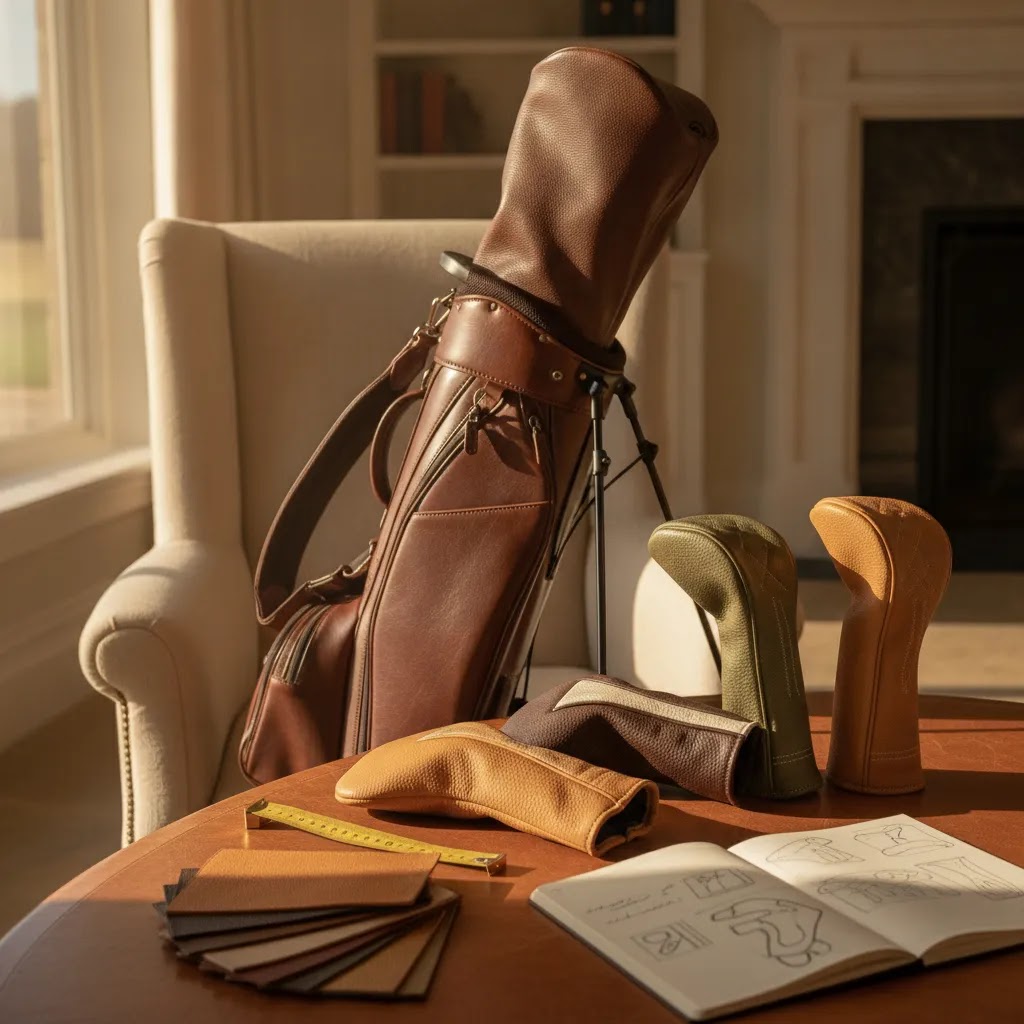
Not every golfer shopping for a premium headcover wants something sitting on a warehouse shelf. Sometimes the goal is more specific: a driver cover made in a certain leather, a putter cover sized for your exact club, or a one-off piece with initials, team colors, or a logo that actually means something to you. If that is why you are trying to shop bespoke golf headcovers, the buying process matters almost as much as the finished product. The best artisan-made options are not only about looks. They also involve fit, lining, closure style, personalization limits, lead times, and whether the seller gives you enough control before you place the order. This guide focuses on where to buy bespoke golf headcovers and what you should expect from the ordering process before spending premium money.
Contents
- Where to buy bespoke golf headcovers
- What the ordering process usually involves
- Personalization methods that change the look and durability
- Features that separate a true bespoke order from a basic custom cover
- Bespoke headcover options by club type and what to verify for fit
- Pros and Cons
- Pricing expectations and what drives cost in bespoke headcovers
- Who should buy bespoke headcovers
- Ace of Clubs options worth considering
- How to choose the right bespoke headcover shop
- Frequently Asked Questions
Where to buy bespoke golf headcovers
If you want artisan-made, made-to-order golf headcovers, you are usually choosing between three seller types: luxury golf accessory brands, general custom shops, and true made-to-order leather specialists. The third group is often the best fit for golfers who care about materials, sizing, and finish details rather than just adding a name to a stock item.
Within Ace of Clubs, the strongest examples come from its made-in-USA leather headcover lineup. These are not generic covers with a monogram added at checkout. Products such as the Onyx Leather Custom Wood Headcover at $160, the Navy Blue Genuine Leather Custom Wood Headcover at $160, and the Baseball Glove Leather Custom Wood Headcover at $160 are built around made-to-order customization.
For putters, there are matching bespoke options such as the Onyx Leather Custom Putter Headcover at $160 and the Onyx Alligator Custom Mallet Putter Headcover at $160. If you are comparing broader concepts first, it also helps to review the differences between Bespoke Golf Headcovers and more mainstream personalized options.
What the ordering process usually involves


A real bespoke order typically starts with choosing the base product type, not the decoration. First decide whether you need a wood, driver, fairway, hybrid, blade putter, or mallet putter cover. That matters because the best bespoke shops build around fit first. A beautiful cover that does not sit securely on the club is not a premium result.
Next comes material and color. In Ace of Clubs' current lineup, buyers can choose among full-grain leather, baseball glove leather, and alligator leather depending on the product. For example, the Baseball Glove Leather Custom Wood Headcover uses full-grain leather with a softer vintage look, while the Onyx Alligator Custom Wood Headcover uses full-grain alligator leather for a more formal, high-luxury finish.
After that, the order usually moves into personalization. On qualifying products, that may include logo placement, initials or names, embroidery, laser engraving, size selection, and interior color choices. Several Ace of Clubs custom headcovers also mention a live preview feature, which is especially useful when you are ordering for a gift, club event, member-guest, or coordinated bag setup.
The last step is patience. Handmade, made-to-order work often takes longer than buying an off-the-shelf cover. That is normal. If a shop offers real customization and artisan construction, you should expect production time to be part of the purchase. You can explore related options in the broader Golf Headcovers category and compare them with more flexible custom golf headcovers if you are still deciding how personalized you want the final result to be.
Personalization methods that change the look and durability
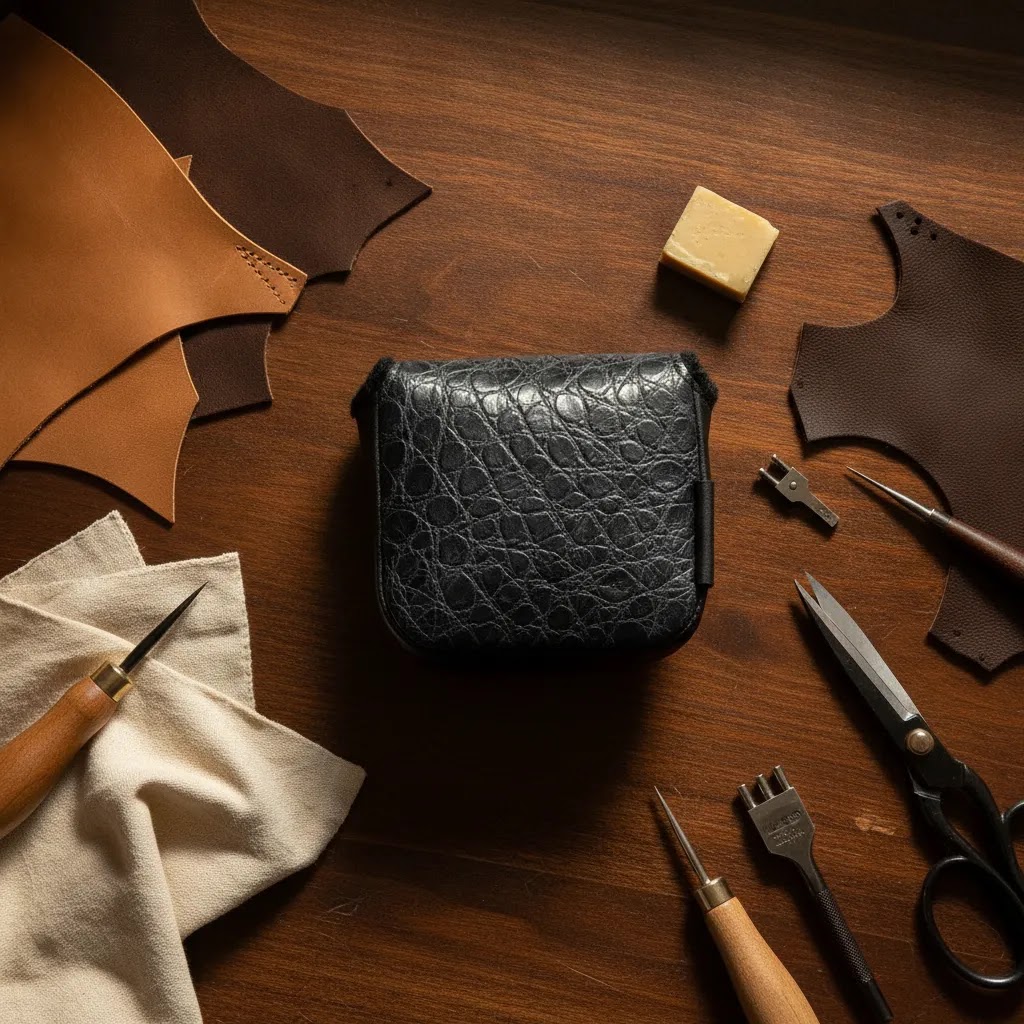

If you are shopping “bespoke” because you want something truly one-off, the personalization menu matters. Some shops treat customization as a single field for initials. Others treat it more like small-scale design work, with multiple construction methods that create different texture, dimension, and long-term wear patterns.
Beyond basic embroidery and engraving, common personalization builds include stitched-on patches and appliqué panels. An embroidered logo is sewn directly into the cover, while a patch is typically a separate piece that is stitched on top. Appliqué is closer to a multi-panel build, where one material layer or color panel is stitched into the design itself.
Each method has tradeoffs that can affect how the cover ages. Embroidery usually looks crisp when the stitch density is high and the edges are clean, but fine details in very small logos may soften over time. Patches can add thickness and a bold look, but that extra bulk can change how the cover sits on a tight opening and can create more pronounced wear on edges. Appliqué can produce striking multi-color layouts, but it creates seam lines, and those seams are part of what you are buying. If you like a cleaner single-surface look, a simpler layout may be the better match.
Before you approve a custom build, ask for clarity on the proof process and file requirements. Many shops require a specific logo file type for clean reproduction, and thread color matching may look different on a screen than it does on leather in real light. Placement also matters. Curved surfaces and tight corners can limit how large a logo can be, and designs that look centered in a mockup can shift slightly once stitched on a three-dimensional shape. Getting placement confirmed before production is one of the easiest ways to avoid surprises.
Features that separate a true bespoke order from a basic custom cover
The phrase "custom" gets used loosely, so it helps to know what actually signals a more bespoke-level product.
- Made-to-order construction: This usually means the item is built after purchase rather than pulled from ready stock.
- Material choice: Full-grain leather, baseball glove leather, and alligator leather give very different texture, aging behavior, and visual character.
- Size selection: Important for woods and especially putters, where head shapes vary.
- Interior options: Some premium shops allow interior color selection, which is a small detail but a real sign of product flexibility.
- Decoration methods: Embroidery and laser engraving create different looks. One is more prominent, the other more understated.
- Live design preview: This can reduce ordering mistakes and helps confirm layout before checkout.
- Handmade origin: Ace of Clubs lists many headcovers as made in USA or handmade in USA, which may matter if you value domestic production and smaller-batch craftsmanship.
For example, the Onyx Leather Custom Wood Headcover includes made-to-order construction, personalization, interior color selection, handmade USA production, and live preview. That is a stronger bespoke signal than a stock headcover that only allows a single monogram line. The same applies to the Whiskey Alligator Custom Wood Headcover at $160 and the Gray Genuine Leather Custom Wood Golf Club Headcover at $160, both of which emphasize made-to-order personalization rather than simple add-on decoration.
Bespoke headcover options by club type and what to verify for fit

Shopping gets easier once you break “bespoke headcovers” into the categories most shops actually build patterns for. Driver and fairway covers usually share a general profile, but they are not always interchangeable, especially if the cover has a tighter opening or thicker lining. Hybrids can be even more variable because hybrid head shapes and lengths differ across models, and some players prefer a slimmer silhouette to reduce bulk in the bag.
Putter covers are where fit details become most important. Blade putter covers are typically straightforward if the listing is truly sized for a blade. Mallet putter covers are more complicated because “mallet” can mean many shapes, from compact rounded heads to larger high-MOI designs. Center-shafted putters add another fit variable because the shaft entry point can change how a cover sits and where stress lands near the opening. Some shops also offer barrel-style covers, which are a more cylindrical profile often used for certain wood covers and some putter designs. They can look clean and traditional, but they still need to match the club’s head shape and the way the cover closes.
Before ordering, confirm three fit basics: head shape compatibility, closure approach, and what “secure” actually means. A cover should stay on during a normal round and while riding in a cart, but it should not be so tight that you have to yank it off and strain stitching at the opening. Closure style matters here, whether it is magnetic, elastic, or another approach, because it affects both security and ease of use.
If you are ordering a mixed set, such as driver plus fairway plus putter, check that the set is consistent in ways that affect daily use, not just color. Profile consistency matters because an oversized driver cover paired with slim fairway covers can look mismatched in the bag. Interior lining thickness matters because a thicker lining can change fit and feel across different clubs. Ask whether each piece is built on a different pattern or template. That is normal in a true bespoke lineup, but you want to know it up front so the set feels intentional rather than uneven.
Pros and Cons

Strengths
- Made-to-order headcovers may offer a more precise fit for specific club types than standard one-size covers.
- Premium materials like full-grain leather and alligator leather usually present better than basic synthetic covers.
- Personalization options such as logos, initials, embroidery, and engraving can make the cover feel truly individual.
- Handmade USA production may appeal to buyers who prioritize craftsmanship and smaller-scale manufacturing.
- Matching wood and putter options make it easier to build a coordinated premium bag setup.
- Live preview tools, where available, can reduce uncertainty before placing a custom order.
Considerations
- Bespoke headcovers cost more than stock covers, with current custom Ace of Clubs headcovers commonly priced at $160.
- Made-to-order products may involve longer wait times than ready-to-ship alternatives.
- Some premium materials may require more thoughtful care than synthetic or machine-washable covers.
- Customization can limit return flexibility depending on seller policy, so buyers should review terms carefully before ordering.
Pricing expectations and what drives cost in bespoke headcovers
One reason shoppers get stuck is that bespoke pricing can vary more than people expect. Some shops anchor pricing around a consistent number for a core lineup. Others price based on material, complexity, and pattern type, which can create a much wider range across driver, fairway, hybrid, and putter categories. The useful way to compare is not to fixate on a single “normal” price. It is to understand what is driving the quote.
Material choice is usually the first driver. Full-grain leather typically sits at a different level than specialty leathers, and exotic options can change both cost and care requirements. Lining also matters. A thicker, softer interior can feel more premium and protect well, but it can increase bulk and labor, and it may require more precise patterning for a secure fit.
Artwork and construction complexity are the next major factors. A simple set of initials is different from a multi-color logo with tight edge detail. More panels, more colors, appliqué elements, and stitched-on patches can add labor and increase the chance that the shop builds in extra proofing time. Special shapes also tend to affect price. Mallet and center-shafted putter covers often require more pattern variation than a basic blade cover, and certain barrel-style builds can take more shaping work depending on how the shop constructs the profile.
Comparing quotes fairly comes down to what is included. Confirm whether the price includes proof rounds or revisions, whether rush options exist, what shipping is expected to cost, and what happens if the fit is not right. Custom work often has stricter return terms, so clarity matters before the order is placed. If you are buying for an event or gift, also confirm the realistic production window. A bespoke build is usually worth waiting for, but only if the timeline matches your needs.
Who should buy bespoke headcovers
Bespoke golf headcovers make the most sense for golfers who already know the look they want and care about the details enough to pay for them. That includes players building a cohesive bag, gift buyers ordering something personal, club members wanting a refined logo piece, and collectors who prefer materials that age with use rather than wear out quickly.
They are less ideal for golfers who want the cheapest possible cover, need next-day delivery, or change clubs constantly and do not want to think about sizing. If that sounds more like you, a simpler personalized option may be the more practical purchase.
Ace of Clubs options worth considering
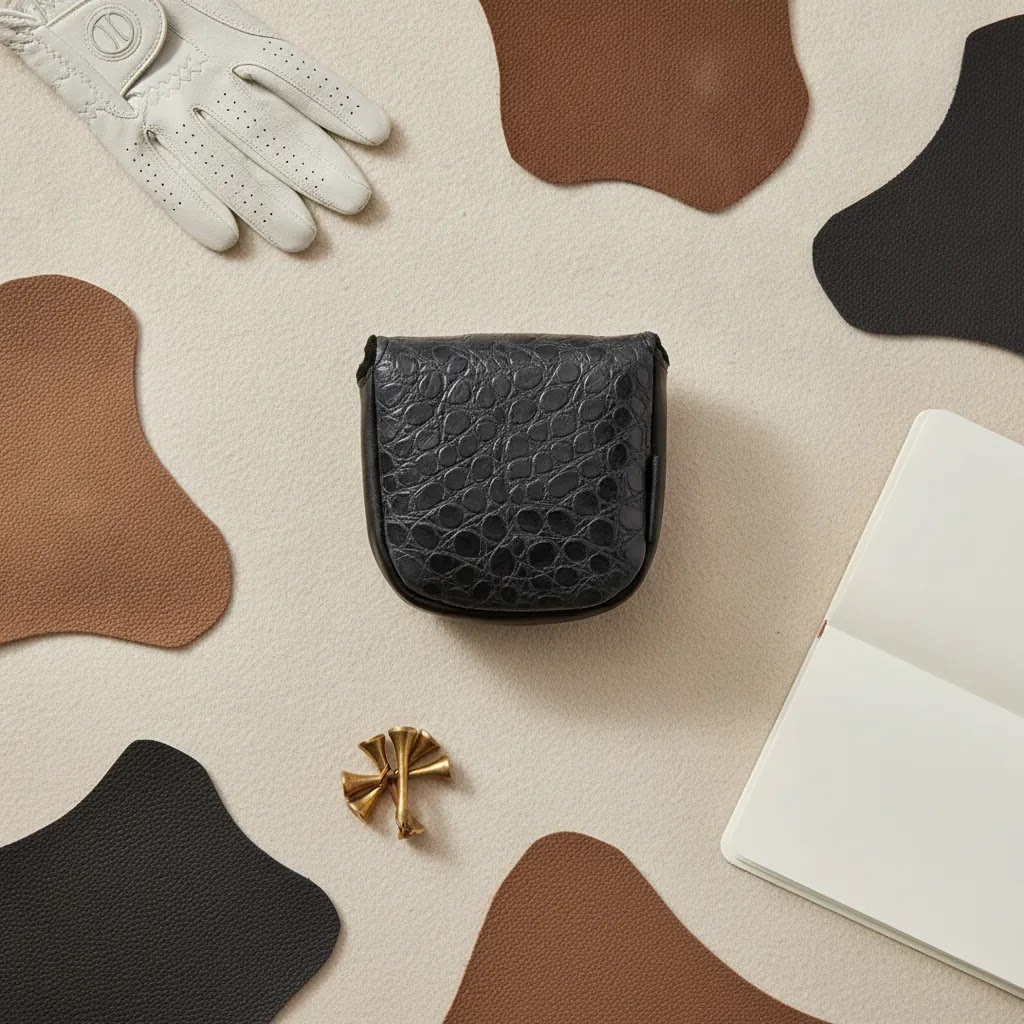
Ace of Clubs stands out most for buyers who want a handmade golf headcover shop rather than a general gift site that happens to sell golf accessories. The current selection includes bespoke wood and putter headcovers in several material families, many at the same $160 price point, which makes comparing style and construction easier.
Good starting points include the Onyx Leather Custom Wood Headcover for a clean classic leather look, the Baseball Glove Leather Custom Wood Headcover for a softer heritage feel, and the Onyx Alligator Custom Wood Headcover for a more elevated exotic finish. On the putter side, the Onyx Leather Custom Putter Headcover, Tobacco Leather Custom Putter Headcover, and Onyx Alligator Custom Mallet Putter Headcover give buyers different material directions without forcing them into one aesthetic.
If you want to narrow down options fast, browse the Custom Personalized Golf collection alongside the Golf Headcovers category, then compare materials, size choices, logo options, and whether live preview is offered. From there, choose the product page that matches your club type and use the customization fields to build the order. For a premium purchase, that step-by-step approach is smarter than buying on appearance alone.
How to choose the right bespoke headcover shop

The first filter is product specificity. A serious bespoke shop should clearly tell you whether a cover is for driver, fairway wood, hybrid, blade putter, or mallet putter. Vague listings are a warning sign because headcover fit is one of the first places poor custom work shows up.
The second filter is material transparency. Look for plain descriptions like full-grain leather, baseball glove leather, or alligator leather. Material names should not feel inflated or unclear. If you are paying premium pricing, you should know what the cover is actually made from and where it is made.
Third, evaluate the customization depth. The more bespoke the order, the more control you should have. Useful options include size selection, interior color, logo placement, engraving, embroidery, and preview tools. Not everyone needs all of that, but if a seller claims "bespoke" while only offering one text field, it is usually closer to personalized stock than true made-to-order work.
Fourth, match the product to your real use case. For a traditional luxury look, a full-grain leather option like the Navy Blue Genuine Leather Custom Wood Headcover may fit best. For a gift with character, baseball glove leather can feel more distinctive. For the most formal, statement-level finish, alligator options may be the strongest choice.
Finally, think about ownership beyond checkout. Premium leather products may look better over time, but they can also show wear patterns and may need more thoughtful storage and care. That is not a flaw. It is part of buying a handmade natural-material item. If you want a cover that develops character, that may be a benefit. If you want something purely low-maintenance, a bespoke leather purchase may be more than you need.
Frequently Asked Questions
What does bespoke mean for a golf headcover?
In this category, bespoke usually means the headcover is made to order with meaningful customization choices such as material, fit, personalization, interior details, or logo treatment. It is more than adding initials to a stock item. The exact level of customization varies by shop, so you should check each product page closely.
Can I order a bespoke driver cover instead of a full set?
Yes, many premium shops sell individual made-to-order pieces rather than forcing you into a set. That is useful if you only want to replace one cover or start with your driver first. Just confirm whether the listing is specifically sized for driver, fairway wood, or hybrid before placing the order.
Are bespoke golf headcovers worth the money?
They may be worth it if you value material quality, fit, craftsmanship, and personalization. They are less compelling if your only goal is basic club protection at the lowest price. Bespoke covers are usually a style-and-craft purchase as much as a functional one.
What is the difference between custom and bespoke headcovers?
Custom often means you can personalize an existing design. Bespoke usually suggests a deeper made-to-order process with more choices around construction, sizing, or finish. In practice, brands may use the terms differently, so the smarter move is to judge the actual options offered rather than the label alone.
Which material is best for a handmade golf headcover shop purchase?
The best material depends on the look and feel you want. Full-grain leather is a safe premium default. Baseball glove leather gives a softer, heritage-inspired character. Alligator leather is more formal and statement-driven. Each may age differently, so style preference and maintenance tolerance both matter.
Do made-to-order headcovers take longer to ship?
Usually, yes. A made-to-order item often requires production time before shipping, especially if it includes engraving, embroidery, size choices, or specialty leather. That extra time is common with artisan work. If timing matters for a gift or event, review the shop's current production expectations before ordering.
Can bespoke headcovers be a good golf gift?
Yes, especially for golfers who care about presentation and already have a stable bag setup. A personalized wood or putter cover can feel more thoughtful than a generic accessory. The main caution is fit. If you are buying for someone else, make sure you know the club type and putter shape.
Should I choose engraving or embroidery?
Engraving usually gives a cleaner, more understated result, while embroidery tends to stand out more visually. Neither is automatically better. If you want subtle personalization, engraving may suit you. If you want a logo or text to be more noticeable from a distance, embroidery may be the stronger choice.
Can I send my own logo or artwork for a bespoke headcover?
Often, yes, but it depends on the shop and the decoration method. Many sellers can work from customer-supplied logos for embroidery, patches, or appliqué, but they may require a specific file type or minimum detail level so the design stitches cleanly. Ask what file formats are accepted, whether you will approve a proof before production, and whether logo placement is limited by curved surfaces or seam lines on the cover.
What is a center-shafted putter headcover, and do I need a specific one?
A center-shafted putter has the shaft entering closer to the middle of the head rather than near the heel. Because that changes where the shaft and hosel area sits, a standard blade or mallet cover may not fit as neatly or may sit under more stress at the opening. If your putter is center-shafted, look for a listing that explicitly states compatibility, or confirm with the seller that the pattern and closure are designed for that shaft position.
Should I buy a matching set of headcovers or mix styles?
A matching set can look more intentional and is easier to coordinate across leather, interior color, and logo placement. Mixing styles can be a better choice if you want a statement driver cover but prefer a more compact, low-bulk option on fairways or hybrids, or if your putter shape calls for a different pattern. If you mix, aim for consistency in one or two elements, such as the leather family or the logo treatment, so the bag still feels cohesive.
How do I clean and care for a leather or exotic leather headcover?
Start with the least aggressive option: wipe with a clean, dry cloth to remove dust and grit. For light marks, a slightly damp cloth can help, but avoid soaking leather and avoid harsh cleaners that can strip finish or dry out natural material. Let the cover air dry away from heat if it gets wet, and store it where it can breathe rather than sealed in a damp pocket. Exotic leathers can require more careful handling, so if you are unsure, check the seller’s care guidance for that specific material and test any conditioner or cleaner on a small, less-visible area first.
Can bespoke leather headcovers improve golf performance?
No headcover can guarantee better performance. A premium cover may protect clubheads, reduce bag chatter, and improve how your setup looks and feels, but it does not change swing mechanics or scoring by itself. Buy one for protection, craftsmanship, and personal style rather than expected on-course results.
Key Takeaways
- Bespoke golf headcovers are best judged by fit, material, customization depth, and production quality, not by the word "custom" alone.
- Ace of Clubs currently offers several made-to-order wood and putter headcovers at $160 across leather, baseball glove leather, and alligator styles.
- The ordering process usually includes club type selection, material choice, personalization, and a made-to-order wait period.
- Live preview, size options, and interior color choices are strong signs that a product goes beyond basic monogram personalization.
- These covers suit buyers who want premium craftsmanship and individuality, not bargain shoppers or people needing immediate shipping.
Conclusion
If you are ready to shop bespoke golf headcovers, the smartest move is to treat the purchase like a small commission rather than a quick accessory buy. Focus first on club fit, then material, then personalization. Ace of Clubs gives serious buyers a useful range of handmade USA options across wood and putter styles, with multiple products priced at $160 and real made-to-order features like logo options, size selection, interior color choices, and live preview on select pieces. Start with the product type you actually need, compare the leather style that fits your taste, and place the order only after confirming the customization details you care about most.
Product pricing, availability, customization options, and production timelines may change. Always review the current product page and seller policies before purchasing. Handmade and made-to-order golf accessories may have longer fulfillment times and different return terms than stock items. Premium golf accessories may help protect clubs and improve presentation, but they do not guarantee better performance or specific on-course results.


