


You buy a new driver, add a fairway wood a month later, then swap in a hybrid before your next trip. Suddenly your bag looks pieced together. One club has a stock cover. One has a worn aftermarket cover. Another rides around half-protected. That is usually the moment golfers start shopping for golf headcover sets.
The appeal is not just style. A matched set can make club identification easier, protect the most-used woods in your bag, and give your setup a more intentional look from driver through hybrid.
This article focuses on one specific question: what a matched driver, fairway, and hybrid set actually includes, and how to choose the right one for the clubs you carry. If you are still comparing shapes, materials, and closure styles, it helps to review broader Golf Headcovers first.
From there, the goal is simple. You want golf headcover sets that fit your club makeup, protect well, and still look sharp after a long season of play.
What a golf headcover set usually includes
Most golf headcover sets for woods follow a simple pattern: one driver cover, one fairway wood cover, and one hybrid cover. Some golfers call this a driver fairway hybrid headcover set. Others search for a golf headcover bundle or complete headcover set. The wording changes, but the buying question stays the same. Does the set match the clubs you actually carry?
A standard matched woods setup usually includes:
- 1 driver headcover
- 1 fairway wood headcover
- 1 hybrid headcover
Some golfers need more than that. If you carry a driver, 3 wood, 5 wood, and 4 hybrid, a three-piece set may not fully cover your bag. In that case, you may prefer buying matching golf headcovers individually so you can build a more precise set.
That is one reason sellers can use the term full headcover set in a misleading way. For some players, “full” means three pieces. For others, it means every wood and rescue club in the bag. Before you buy, count the clubs you want covered and confirm whether the set includes enough pieces for your setup.
How many pieces are in a golf headcover set (3, 4, or “full”)?
Here’s the thing. No brand follows one universal standard for set size. Most brands group their golf headcover sets around the most common woods section of a bag. However, retailers and brands still package sets differently, especially when they add extras or labels.
Common golf headcover set sizes
The most common configurations you will see are:
- Set of 3: driver, fairway, hybrid
- Set of 4: usually driver, fairway, hybrid, plus one extra piece (often a second fairway or a putter)
- “Full” or “complete” set: not standardized, it may mean three woods pieces, or it may mean woods plus putter, and sometimes it refers to multiple fairway and hybrid covers in one bundle
Match the piece count to your bag
Pick the set size by mapping the bundle to your actual top-of-bag build. A few common examples:
- Driver + 1 fairway + 1 hybrid: a 3-piece set typically fits cleanly.
- Driver + 2 fairways + 0 hybrids: a “set of 3” may not work unless it includes two fairway covers, or you plan to add a second fairway cover separately.
- Driver + 1 fairway + 2 hybrids: you may want a 4-piece setup, or a 3-piece set plus an extra hybrid cover that matches.
- Driver + 2 fairways + 1 hybrid: a 4-piece setup is often the simplest way to avoid one uncovered club.
What to verify before you buy golf headcover sets
Piece count alone does not tell you what you are getting. Before you buy any multi-piece bundle, verify three details in the listing:
- Which club types the set includes, not just the total number of covers.
- Whether the set includes numbers or labels, and what they cover (for example, a fairway cover labeled “3” might not help if you mainly use a 5 wood).
- How the seller defines the fairway piece: some sellers design it as a general fairway wood fit, while others shape it tightly for a 3 wood profile and it may feel snug on larger 5 woods depending on the head shape.
Once you treat set size as a checklist instead of a marketing label, it becomes much easier to buy golf headcover sets that actually cover what you carry.
Why golfers buy golf headcover sets
A cleaner look in the bag
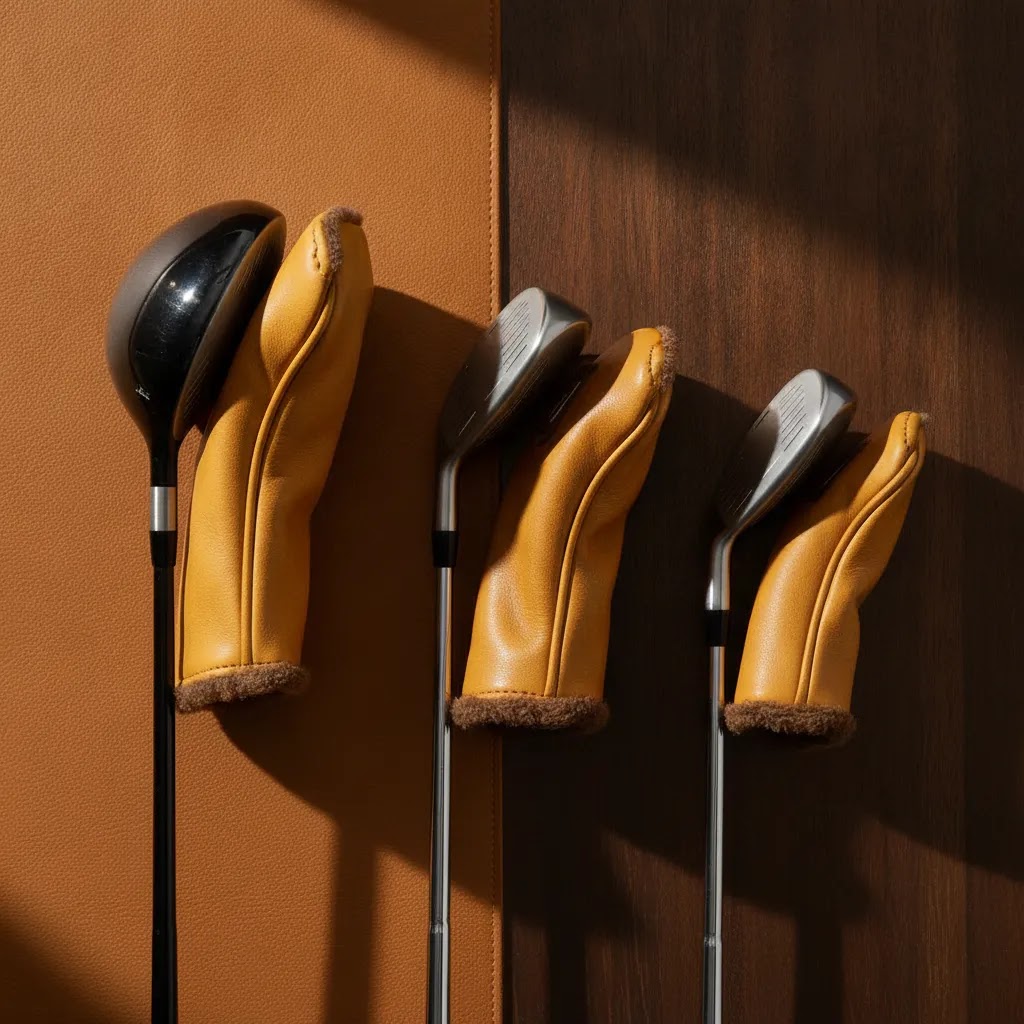
The first reason is visual consistency. Matching golf headcovers make your bag look finished, not random. If you care about presentation, especially at private clubs, member-guest events, or corporate outings, a unified set adds polish without changing your clubs.
Faster club identification
A good golf headcover set should help you recognize clubs quickly. That can come from size differences, numbered tags, or shape cues. On busy tee boxes, that small convenience matters more than many golfers expect.
More consistent protection
Protection is the practical part. Driver and fairway heads can knock into one another during cart rides, travel, or simple bag movement. A complete headcover set gives your most exposed clubs a consistent layer of coverage, which may reduce cosmetic wear over time.
Golfers browsing Golf Headcovers often start with style, then prioritize fit and protection once they compare options more closely. That is usually the right order. Appearance matters, but not if the covers slip off or crowd the top of your bag.
How to pick the right golf headcover set for your bag
Start with your actual club setup
The best golf headcover sets match your real bag, not the idealized one in your head. If you carry one driver, one fairway wood, and one hybrid, a three-piece set may be perfect. If you carry two fairways and no hybrid, a stock set may create an immediate gap.
Write down your woods and hybrids before you shop:
- Driver
- Fairway woods, such as 3 wood or 5 wood
- Hybrids, such as 3H, 4H, or 5H
This step sounds obvious, but it prevents a common mistake. Many golfers buy a golf club cover set because it looks great online, then realize it does not match the number or mix of clubs they carry.
Decide whether you want a bundled set or individually matched pieces
A golf headcover bundle can be cost-effective and visually consistent. You get a matched look right away. In many cases, one collection shapes the sizing as a family. That works well if your club count lines up with the bundle.
Individually matched pieces are better if your bag is more customized. This route gives you flexibility, especially if you carry more than one fairway wood or want to add a second hybrid cover later. It can cost more per piece, but the fit with your actual bag is often better.
Check shape compatibility, not just club label
Not all modern fairway woods and hybrids are shaped the same. Some larger fairway heads fit snugly in traditional covers, while compact hybrids may sit loose in covers made for bulkier rescue heads. Product naming helps, but size and construction matter just as much.
If you are browsing premium accessories through shop luxury golf, look closely at whether the collection offers dedicated driver, fairway, and hybrid pieces instead of treating all woods as one universal fit. Separate sizing usually signals a more thoughtful design.
Choose a style that still makes sense six months from now
A matched set should feel personal, but it should also age well. Trend-heavy graphics can be fun. However, many golfers end up happier with designs that still suit the rest of the bag after a full season. Leather and leather-inspired styles often work well because they balance character with durability and a more timeless look.
Common sizing and labeling pitfalls for golf headcover sets
Consider this. Most shoppers do not miss on a set because of color or price. The miss usually happens when a listing uses broad labels like “wood” or “fairway” without explaining what that piece actually fits. Filters can help, but you still want a few concrete checks before you click buy.
Do not assume “wood” means driver, fairway, and hybrid
Some sellers use “wood headcover” as a catch-all category. That can mean one universal shape meant to stretch across multiple clubs. It can also mean a driver-only cover listed under a general woods heading. If a listing does not clearly separate driver vs fairway vs hybrid, you are relying on guesswork.
Watch for blurred categories: fairway pieces that run big, hybrids that run small
The reality is that some covers are intentionally roomy. A “fairway” cover may be cut wide enough to fit a smaller driver head, while a “hybrid” cover might fit only certain rescue shapes and feel tight on larger hybrid heads.
Signals that a set may not fit as expected include:
- Vague sizing language, such as “fits most woods” without any club breakdown.
- One shared photo used for multiple club types with no visible size difference.
- No mention of opening design or retention method, which often affects how forgiving the fit feels.
- Numbered labels that do not match how you actually identify clubs, especially if you carry more than one fairway or hybrid.
Simple checks to do before purchase
Before you buy, confirm the three basic fit elements that most reliable listings provide in some form:
- Club type coverage: driver, fairway, and hybrid should be distinct pieces if you want a true matched woods set.
- Relative dimensions: some brands provide measurements, others show scale differences, either way you want confirmation that driver and fairway are not the same shell.
- Labeling system: if the set includes number tags, verify what numbers are included and whether they can be swapped or repositioned.
Fit confirmation once it arrives (and what to do if it is off)
Once delivered, do a quick at-home fit check before you take it to the course:
- Install each cover fully seated and check for excess looseness by gently turning the cover at the opening. If it spins easily, it may slip during play.
- Remove and replace each cover a few times. It should come off smoothly without feeling like you are forcing it against stitching or seams.
- Put the clubs in the bag and check crowding. Overly bulky covers can make club retrieval harder, even if they technically fit.
If the fit is not right, do not try to “make it work” for weeks. Use the seller’s return or exchange window if available. You may only need to swap the problem piece rather than replace the entire set.
Fit issues are common across brands because club head dimensions vary by manufacturer and model. As a result, treating the first try as a test is often the smartest approach. If you are refining the rest of your setup too, this guide on what should you have in your golf bag can help you match accessories to the clubs you actually carry.
Materials, fit, and construction details that matter
Material affects both feel and durability
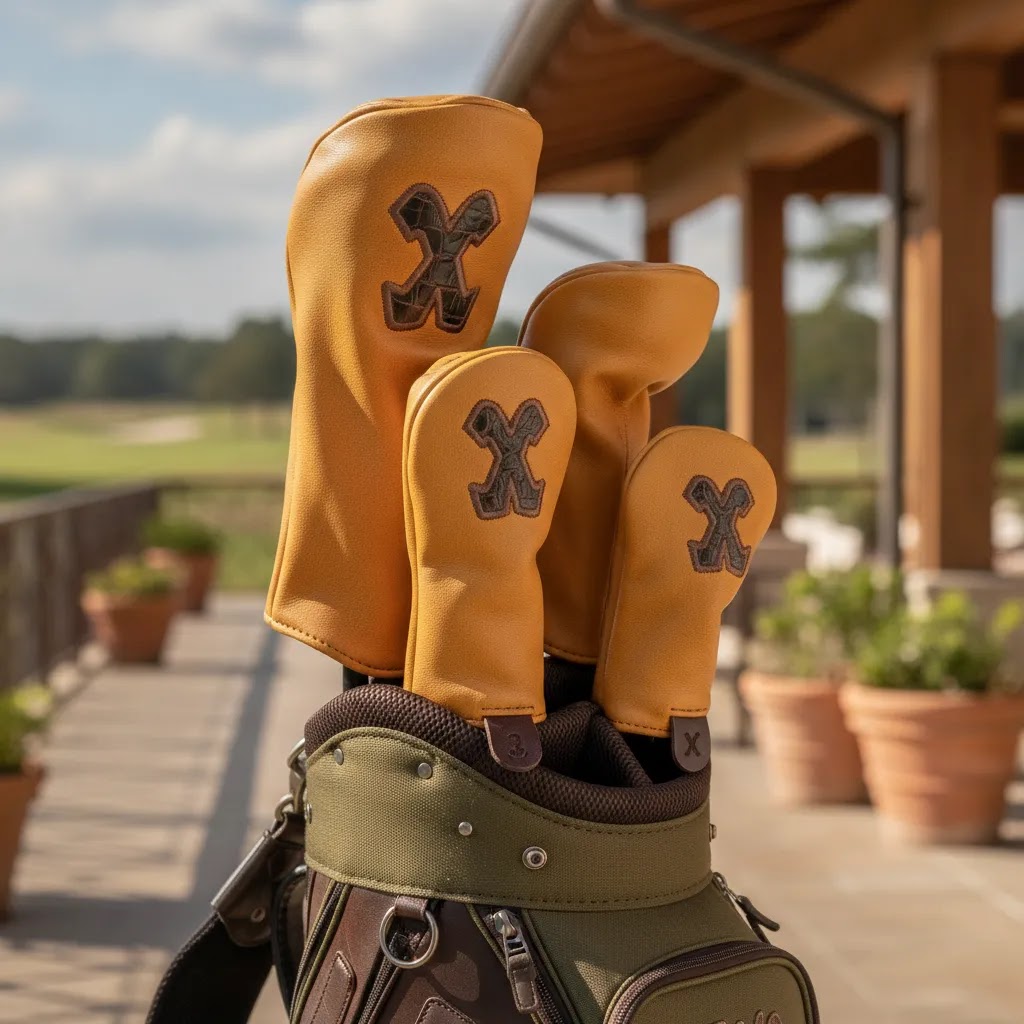
Material is not only about appearance. It affects how the cover feels in hand, how it wears, and how easily it goes on and off. Genuine leather headcovers usually appeal to golfers who want a more refined look and a material that can develop character over time. Synthetic materials may weigh less and can be easier to clean, but the feel and aging profile differ.
Fit should feel secure, not restrictive
A cover that falls off during a round is frustrating. One that takes two hands and a wrestling match to remove is not much better. The sweet spot is secure retention with smooth removal. That matters most on driver covers, since they are handled the most during a round.
Pay attention to the opening design, interior structure, and how specific the sizing is by club type. A proper golf headcover set should have enough distinction between driver, fairway, and hybrid pieces that each one feels intentional.
Construction details often separate premium options from average ones
Stitching, edge finishing, lining, and overall shape retention tell you a lot about quality. Cheap covers may look good on first inspection but lose structure quickly. Premium covers tend to keep their form better, which helps both appearance and usability over time.
Ace of Clubs is one example of a brand that emphasizes craftsmanship and premium presentation in its accessories. If you are comparing options, focus on whether the product line offers the exact pieces you need, not just whether the photos look impressive.
Style, taste, and course-appropriateness: choosing designs you will not regret
Think of it this way. A headcover set is one of the most visible accessories in your bag. That visibility is the point. However, it also means your design choice shows up in settings with different expectations, from casual public tee times to private club events and charity tournaments.
Know the environment: everyday play vs events with a tighter standard
Most public courses do not police headcover designs. The potential issue is less about “allowed” and more about whether you want the attention that comes with a novelty cover. At private clubs, member-guest events, corporate outings, and junior golf environments, it is usually smart to assume a more conservative standard, especially around slogans or graphics that could be interpreted as offensive.
If you compete, remember that equipment rules are governed by the USGA and The R&A, but headcovers are not typically the focus of conformity. Even so, tournaments and clubs can enforce their own conduct, dress, and decorum standards. When in doubt, choose something you would be comfortable putting on a bag in front of a mixed group. For official equipment rules, see the USGA Rules Hub and The R&A Rules of Golf.
A simple framework: personality vs longevity
The “fun” option can get old faster than the premium one. A quick way to filter designs is to ask two questions:
- Will I still like this if I change bags, change shafts, or update my driver next season?
- Does this design work with most of my golf wardrobe and bag color, or does it clash unless everything else stays the same?
Loud novelty can be a great choice if you enjoy rotating accessories and you play mostly casual rounds. Timeless designs usually win if you want one set that can stay in the bag for years. Color matters here too. Neutral tones and classic contrasts tend to look “matched” longer because they do not fight with different bag colors, towel colors, or future club releases.
Gifting headcover sets without guessing wrong
If you are buying a set as a gift, go more conservative than you would for yourself unless you know the recipient’s taste well. A safe approach is a premium material look, clean color palette, and clear club type separation. If the recipient plays a mix of events, or belongs to a club with a more traditional culture, neutral designs reduce the risk that the gift sits unused because it feels awkward to bring out.
Product examples for a matched woods setup
If you want to build a coordinated woods setup instead of buying a pre-packed bundle, individual matched pieces can give you better control. This is especially useful if you want premium materials and need the flexibility to match a specific bag makeup.
| Piece | Product | Price | Role in the setup |
|---|---|---|---|
| Driver | BASEBALL GLOVE LEATHER DRIVER HEADCOVER | $125 | Anchor piece for the top of the bag |
| Fairway wood | BASEBALL GLOVE LEATHER FW HEADCOVER | $125 | Matching fairway wood companion |
| Hybrid | BASEBALL GLOVE LEATHER HYBRID HEADCOVER | $125 | Rounds out a classic driver fairway hybrid headcover set |
| Putter | BASEBALL GLOVE LEATHER PUTTER HEADCOVER | $125 | Extends the same design language beyond your woods |
| Mallet putter | BASEBALL GLOVE LEATHER MALLET PUTTER HEADCOVER | $125 | Matching option for mallet users |
Driver piece
BASEBALL GLOVE LEATHER DRIVER HEADCOVER is priced at $125 and uses baseball glove leather for a distinct, athletic look with a premium feel. For golfers building golf headcover sets with a consistent material story, this gives the top of the bag a strong anchor piece. Shop Now →
Fairway wood piece
BASEBALL GLOVE LEATHER FW HEADCOVER is also $125 and is designed as the matching fairway wood companion. If your goal is matching golf headcovers from the driver down, this piece helps create continuity without forcing you into a generic one-size-fits-all set. Shop Now →
Hybrid piece
BASEBALL GLOVE LEATHER HYBRID HEADCOVER is priced at $125 and rounds out a classic driver fairway hybrid headcover set. If you carry one hybrid, this is the simplest way to keep the visual and material match consistent across your woods section. Shop Now →
Optional putter pieces if you want the whole bag to match
BASEBALL GLOVE LEATHER PUTTER HEADCOVER is $125 and extends the same design language beyond your woods. It is not part of a woods-only golf headcover set, but it can make sense if you want the bag to feel fully coordinated. Shop Now →
BASEBALL GLOVE LEATHER MALLET PUTTER HEADCOVER is also $125 and gives mallet users the same matching option. Golfers often forget to check whether their putter shape has a corresponding cover in the same collection, so it is worth confirming before you build a coordinated setup. Shop Now →
For many buyers, this piece-by-piece method is more practical than a fixed full headcover set. You can match the exact clubs you own, keep the look consistent, and avoid paying for a piece you will not use.
Where to buy golf headcover sets and what to check
Buy from a seller that clearly separates club types
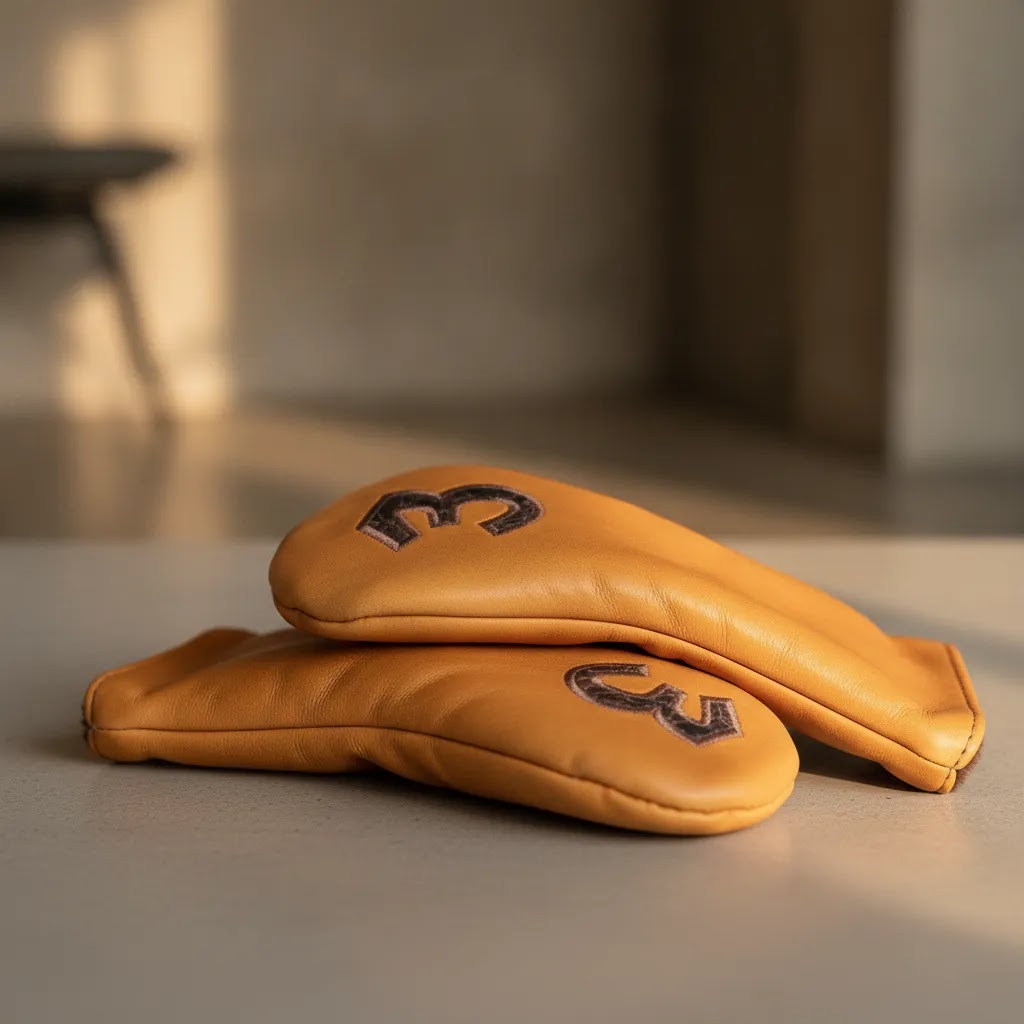
The easiest buying experience usually comes from stores or brands that list driver, fairway, and hybrid headcovers as distinct products or as a clearly defined bundle. That reduces the guesswork around fit and makes it easier to build a complete headcover set that actually suits your clubs.
Review return policies and fit descriptions
Golf accessories are still fit-dependent, even if they are not sized like apparel. Read product descriptions carefully and check return terms before buying. This matters if your fairway or hybrid head has an unusual shape, or if you are mixing pieces rather than buying a packaged golf head cover set.
Compare value, not just item count
A cheaper golf headcover bundle is not always the better buy. If the pieces wear out quickly, fit poorly, or leave one club uncovered, the lower upfront price may not be better value. Premium sets or coordinated individual pieces can make more sense if you keep clubs for several seasons and care about appearance, protection, and long-term use.
If you are narrowing choices, it helps to compare collections that specialize in premium woods covers rather than treating headcovers as an afterthought. Ace of Clubs offers one example of this more considered approach, especially for golfers who want a luxury look without giving up practical usability. You can also explore other best golf accessories if you want the rest of your bag to feel just as cohesive.
Frequently Asked Questions
What is included in most golf headcover sets?
Most golf headcover sets include covers for a driver, a fairway wood, and a hybrid. Some sets may include two fairway covers or extra numbered tags, but the standard matched setup is usually built around those three club types. The main thing to check is whether the set matches the number of woods and hybrids you actually carry. Product names can make a set sound complete, even when it only covers part of your bag.
How many headcovers are in a standard golf headcover set?
Most “standard” woods-focused sets are three pieces: driver, fairway, and hybrid. You will also see four-piece bundles that add a second fairway cover or a putter cover, and some listings use “full” or “complete” without a consistent piece count. The best way to confirm is to ignore the label and check the exact club types included in the set.
What is the best golf headcover set (and what should I look for)?
The best golf headcover set is the one that matches your actual club mix and stays secure through regular play. Look for distinct sizing by club type (driver, fairway, hybrid), clear fit descriptions, and construction that holds shape over time. If your bag has two fairways or multiple hybrids, the “best” option is often a coordinated set built by adding individual matching pieces so you do not end up with gaps.
Are golf head cover sets better than buying individual covers?
They can be, but only if the set matches your club setup. A pre-matched bundle is convenient and usually gives you immediate visual consistency. Individual covers are often the better choice if you carry multiple fairway woods, more than one hybrid, or want a specific premium collection. Many golfers prefer building their own set because it avoids paying for pieces they do not need and fills every slot more accurately.
How do I know if a hybrid cover will fit my club?
Start with the product description and check whether the cover is made specifically for hybrids rather than grouped under a generic woods label. Hybrid heads vary by brand and model, so fit may differ slightly. If the product line includes separate driver, fairway, and hybrid options, that is usually a good sign. You should also review return terms in case your club shape runs larger or smaller than average.
Do matching golf headcovers actually protect clubs better?
Matching golf headcovers do not protect clubs better simply because they match. Protection comes from fit, construction, and material quality. A matched set often helps because the pieces are designed with a consistent standard, but a random mix of well-made covers can protect just as well. If protection is your main priority, focus first on secure fit, durable stitching, and easy removal, then use matching style as the final filter.
Is a full headcover set worth the price?
A full headcover set can be worth it if you value both protection and a coordinated bag presentation. Golfers who play often, travel with clubs, or belong to clubs where presentation matters may get more value from a premium set. If you replace clubs frequently or only want basic protection, a lower-cost option may be enough. The better question is not whether the price is high or low, but whether the set fits your exact clubs and use habits.
What materials are best for a golf headcover set?
The best material depends on what you care about most. Genuine leather appeals to golfers who want a premium feel, stronger visual character, and a material that can wear in attractively over time. Synthetic materials may be lighter or simpler to clean. Neither is automatically right for every golfer. If you want long-term ownership and a luxury look, leather often stands out. If you prioritize low-maintenance utility, synthetic options may suit you better.
Are funny golf headcovers allowed at most courses or tournaments?
Funny headcovers are usually fine at most public courses, but appropriateness depends on the venue and the event. Private clubs, corporate outings, and junior golf settings can be more conservative about slogans or graphics. Tournaments can also have conduct standards set by the organizer, even though the main equipment rules are governed by the USGA and The R&A. If you want one set that works almost anywhere, choose designs that are playful without being polarizing.
Do I need blade vs mallet putter headcovers if I want a matching set?
Yes, putter shape matters. Blade and mallet heads are different enough that a “putter” cover is not always interchangeable, even within the same collection. If a matching set matters to you, confirm whether the brand offers both blade and mallet options, then choose the one that matches your putter head shape rather than trying to force a universal fit.
Should I buy a three-piece set if I carry two fairway woods?
Usually no, unless you already have another matching cover that fills the gap. A three-piece set works best for golfers who carry one driver, one fairway, and one hybrid. If your bag has two fairways and no hybrid, or two fairways plus a hybrid, a standard set may leave one club uncovered. In that case, buying individually matched pieces is often the cleaner solution. It gives you the look of a set while matching your real bag structure.
Can I mix brands and still get a coordinated look?
Yes, but it is harder than it sounds. You can mix brands successfully if the colors, materials, and overall design language are close. The risk is that “close enough” online can look noticeably mismatched in person. If your goal is a polished, luxury presentation, staying within one collection usually produces a more consistent result. If cost or availability matters more, mixing brands can still work, especially if you keep the palette restrained.
Where should I buy golf club cover sets?
Buy from a brand or retailer that clearly identifies the club type for each cover, offers detailed product photos, and states return terms plainly. That reduces the chances of buying a cover that looks right but fits poorly. Specialty golf accessory brands can be a strong option if you want more distinctive materials or craftsmanship. Broad retail marketplaces may offer more price variety, but the fit descriptions can be less reliable from one seller to another.
Are premium golf headcover sets only about appearance?
No. Premium golf headcover sets offer more than appearance. They often differ in material quality, stitching, structure, and how well they hold their shape over time. Those details affect everyday use, not just shelf appeal. A well-made cover should feel secure, come off smoothly, and still look good after repeated rounds and travel. If you care only about short-term function, premium may not be necessary. If you care about finish and longevity, it may be worth the investment.
Key Takeaways
- Most golf headcover sets include one driver, one fairway wood, and one hybrid cover.
- The right set depends on the exact woods and hybrids you carry, not just the product label.
- Dedicated driver, fairway, and hybrid pieces usually offer a more intentional fit than generic bundled covers.
- Material, retention, and construction quality matter as much as appearance.
- Buying individually matched pieces can be the best option if a standard set does not match your bag.
Conclusion
The best golf headcover sets do two jobs at once. They protect the clubs you use most. They also make your bag feel cohesive from the driver down to the hybrid. The right choice starts with a simple check of your actual club setup, then moves into fit, material, and whether a bundled set truly covers every club you want matched.
If a packaged set lines up with your bag, it can be a clean and efficient solution. If it does not, building a coordinated set from individual driver, fairway, and hybrid pieces is often the smarter move. That approach gives you a tailored result without sacrificing a matched look.
If you want to compare styles before you buy, explore the broader Golf Headcovers collection and review how different designs fit the clubs you carry. Ultimately, a little extra scrutiny up front can save you from buying a set that looks good online but falls short on the course.
This article is for general educational purposes only and does not constitute equipment fitting advice, warranty advice, or a guarantee of product compatibility. Club head shapes and dimensions vary by manufacturer and model, so fit may differ even within the same club category. Product availability, pricing, and specifications may change over time. Review current product details and seller policies before purchase.


